1 hr 30 min
Bow River Scenic Float Tour in Canmore
- Entry ticket
- Mobile voucher
- Valid same day
- Free cancellation
Bow River Float Trip — Scenic Floats Through the Canadian Rockies
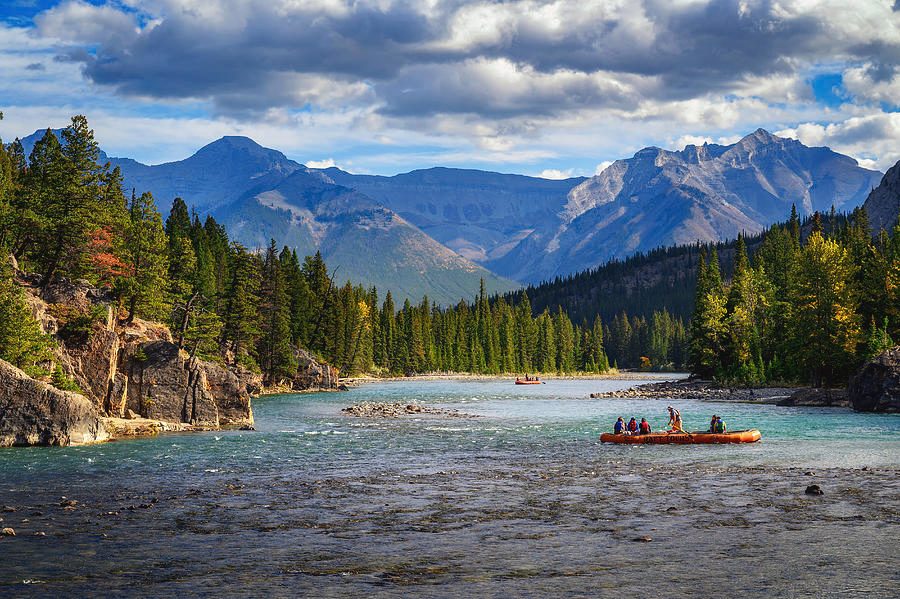
Drift past limestone cliffs and glacial valleys, where osprey hunt and elk graze the willows.
Compare fares, pick the fit — all bookings are mobile-voucher and eligible for free cancellation where shown.
1 hr 30 min
1 hr 30 min
1 hr 30 min
Selecting the right bow river float trip allows you to experience the scenic waters of the Canadian Rockies through either fully guided excursions or independent river navigation. This float tour selection helps you balance convenience, expert narration, and local wildlife spotting opportunities.
|
Top pick Guided Float Tour Professional service |
Independent Rental Self-guided access | |
|---|---|---|
| Duration | 1.5 hours | Full day |
| Guidance | Included interpretive guide | None |
| Equipment | Provided raft and safety gear | Rental equipment only |
| Shuttle Service | Included return shuttle | Not included |
| Best for | First-time visitors | Experienced adventurers |
| See tickets & prices |
Verdict: For a seamless and educational bow river float trip tour, choose the guided option, while independent explorers should opt for rentals.
Worth it for scenery lovers and relaxed explorers
A bow river float trip delivers exceptional mountain scenery and wildlife spotting without the physical demands of paddling or hiking. The bookable options range from guided canoe adventures to horseback combinations, with float tours typically running 2–3 hours through pristine Rockies corridors. Entry to the river itself is free, though guided experiences and equipment rentals add cost. The Canmore and Banff stretches offer turquoise water, forested banks, and regular sightings of elk, bighorn sheep, and ospreys. This pays off for photographers, families with young kids, and anyone who values accessible alpine immersion over adrenaline. The calm current and expert narration make it approachable for first-timers, while the backdrop—jagged peaks, glacial runoff, and quiet stretches far from roads—rewards even seasoned outdoor travelers. If you want Rocky Mountain beauty without technical skill or steep climbs, bow river float trip tours deliver honest value.
Bottom line: If scenic immersion and effortless access to wild Rockies country matter more than pulse-raising action, the float is easily worth the time and modest cost.
They complement each other; visitors seeking a gentle Banff sightseeing tour should choose the float, while those pursuing high-intensity rapids will prefer the canyon rafting excursion.
|
Top pick Bow River Float |
Horseshoe Canyon | |
|---|---|---|
| Experience Type | Scenic river drift | Whitewater rafting |
| Primary Goal | Wildlife viewing | Adventure navigation |
| Target Age Group | All ages | Ages 6 and up |
| Adrenaline Level | Low | High |
| Physical Effort | Minimal | Moderate to high |
| See tickets & prices |
Verdict: Select your bow river float trip tour if you want a relaxing day on the water, or book bow river float trip tickets for the canyon if you prioritize waves and excitement.
Hand-picked experiences loved by thousands of travelers
1 hour
Free Cancellation
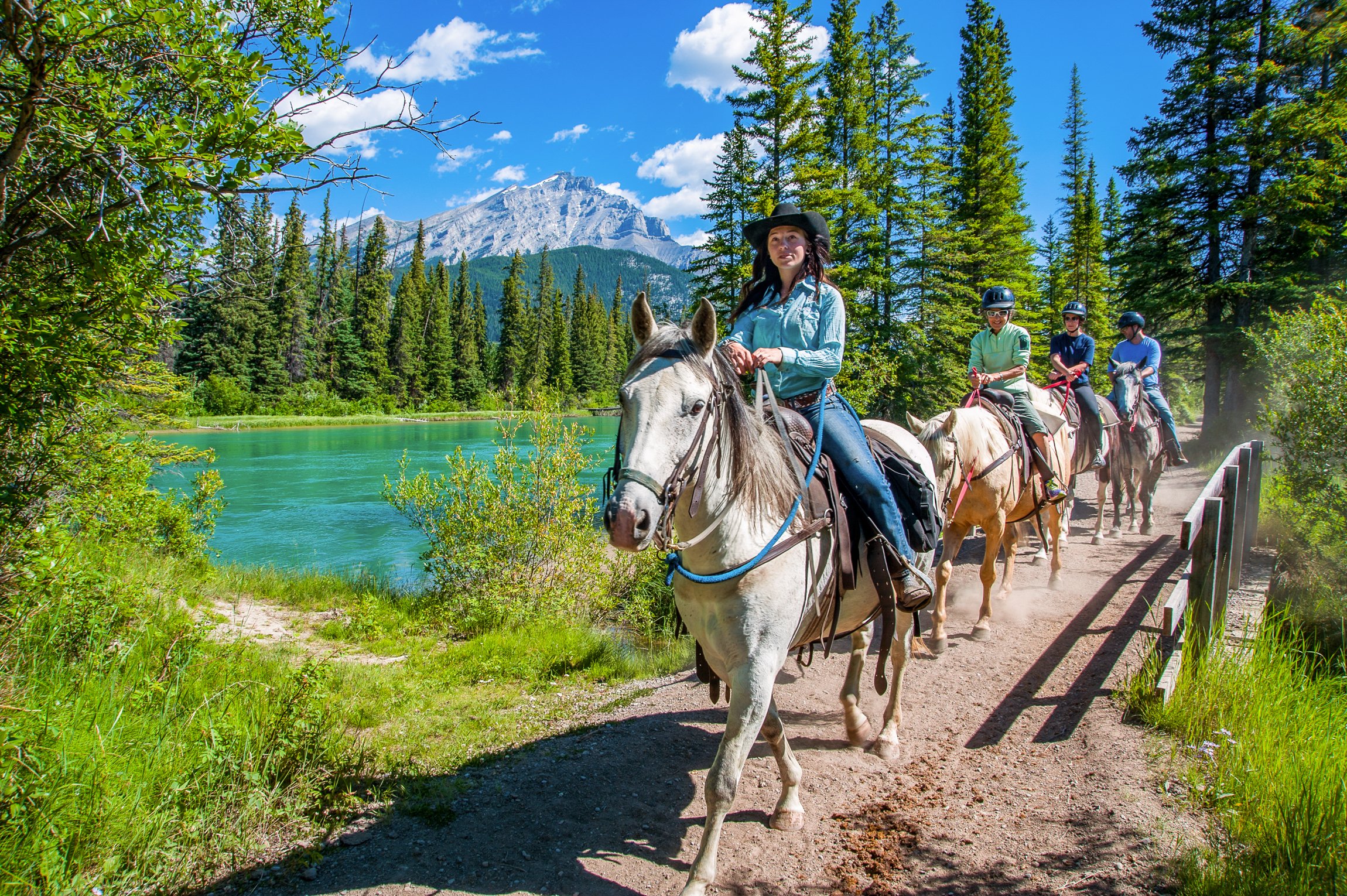
Explore Banff's stunning landscapes on horseback along the peaceful Bow River with mountain panoramas
1.5 hours
Free Cancellation
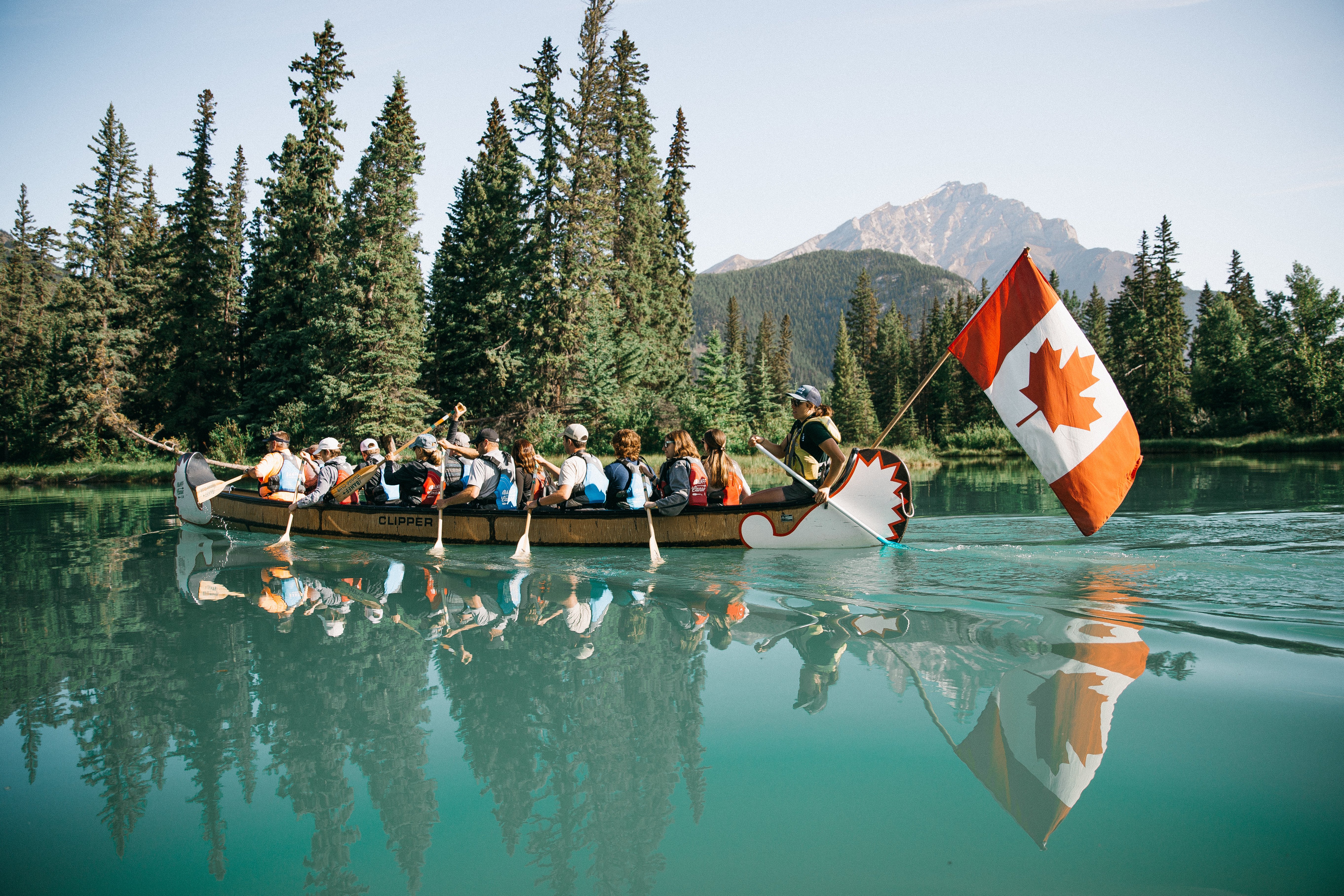
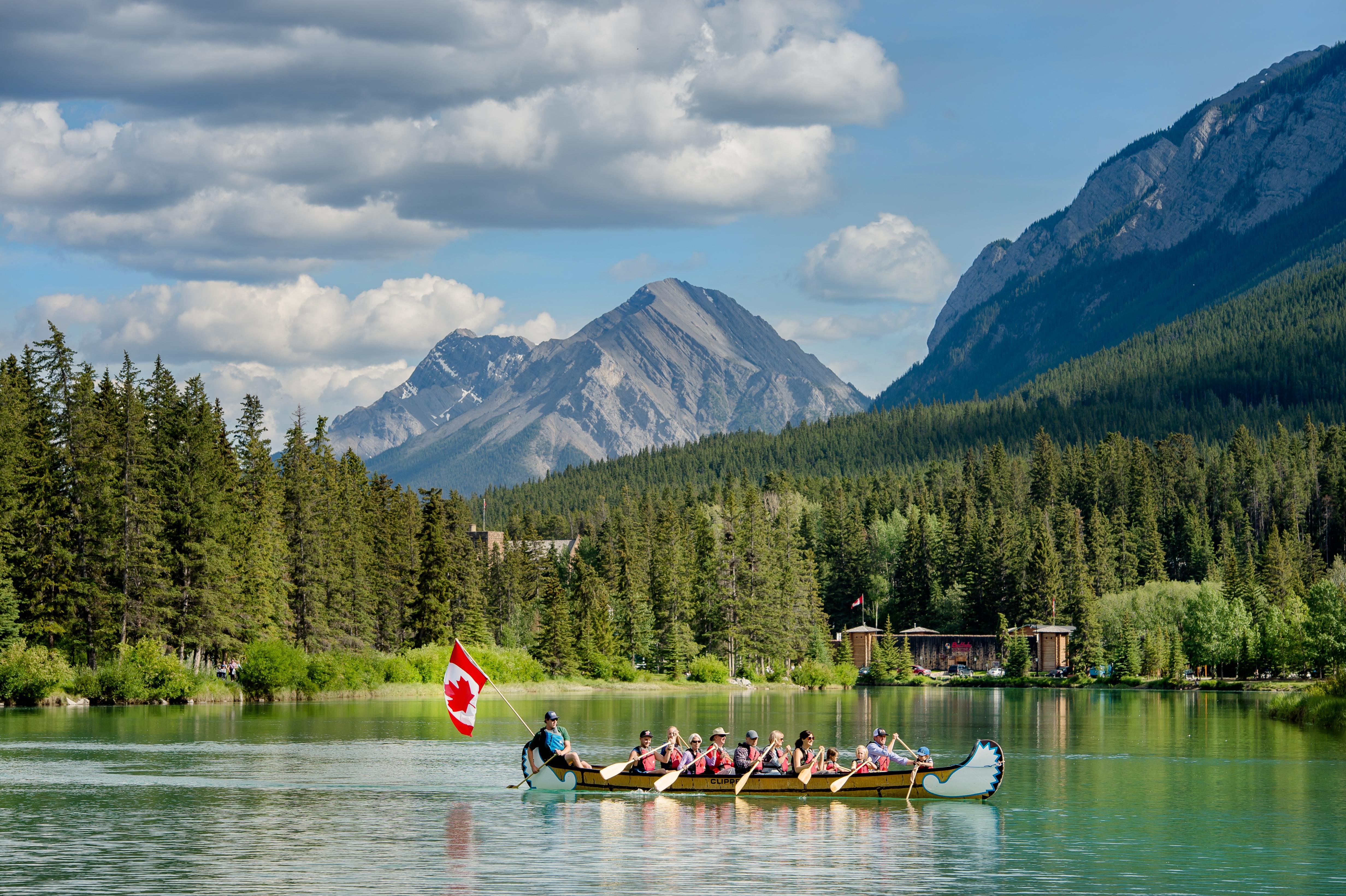
Glide through Banff's waterways in a 12-person canoe while spotting eagles, elk, and beavers
3.5 hours
Free Cancellation
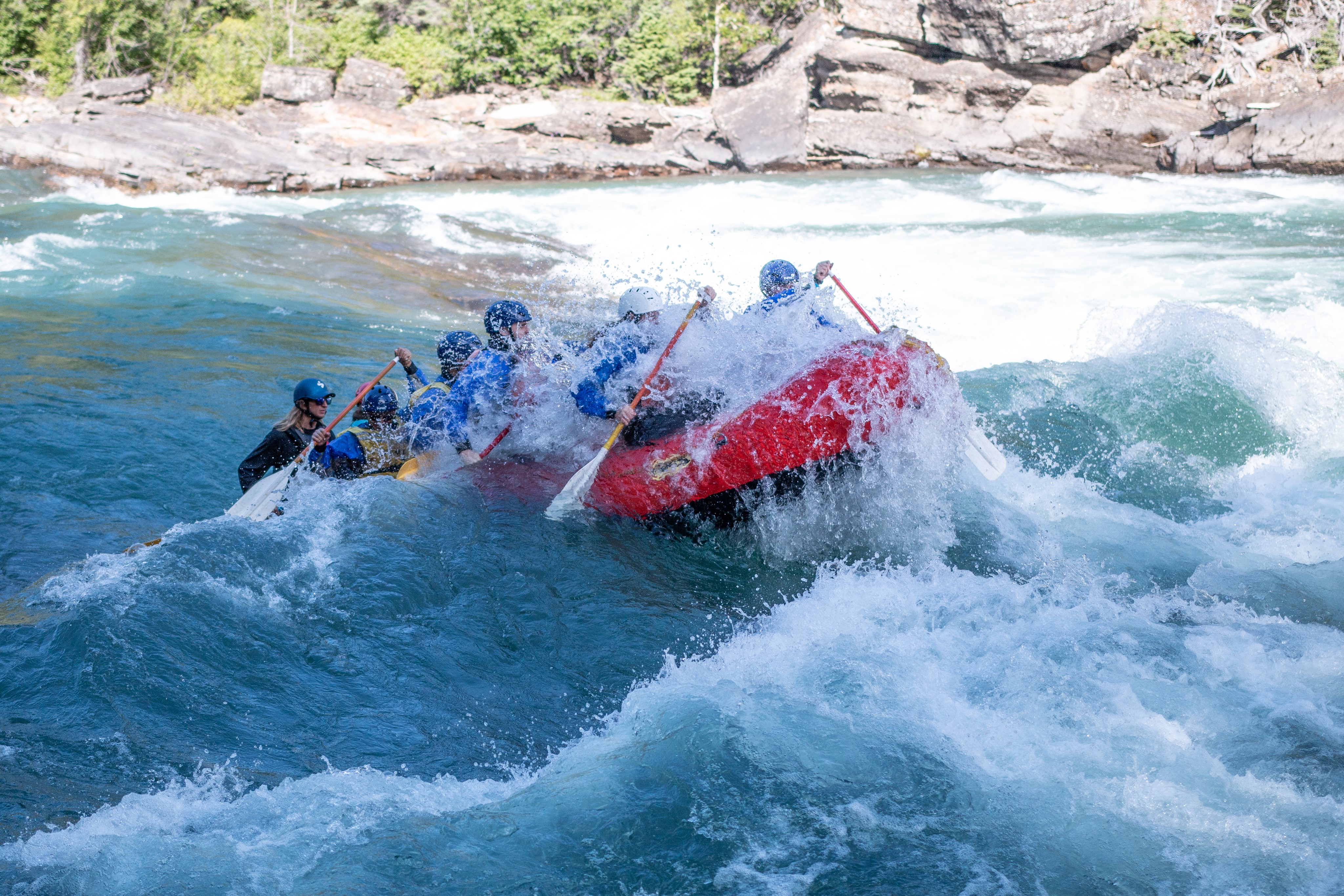
Navigate thrilling Class 2-4 rapids through dramatic canyon walls with optional cliff jumps on this adrenaline-pumping experience
2 hours
Free Cancellation
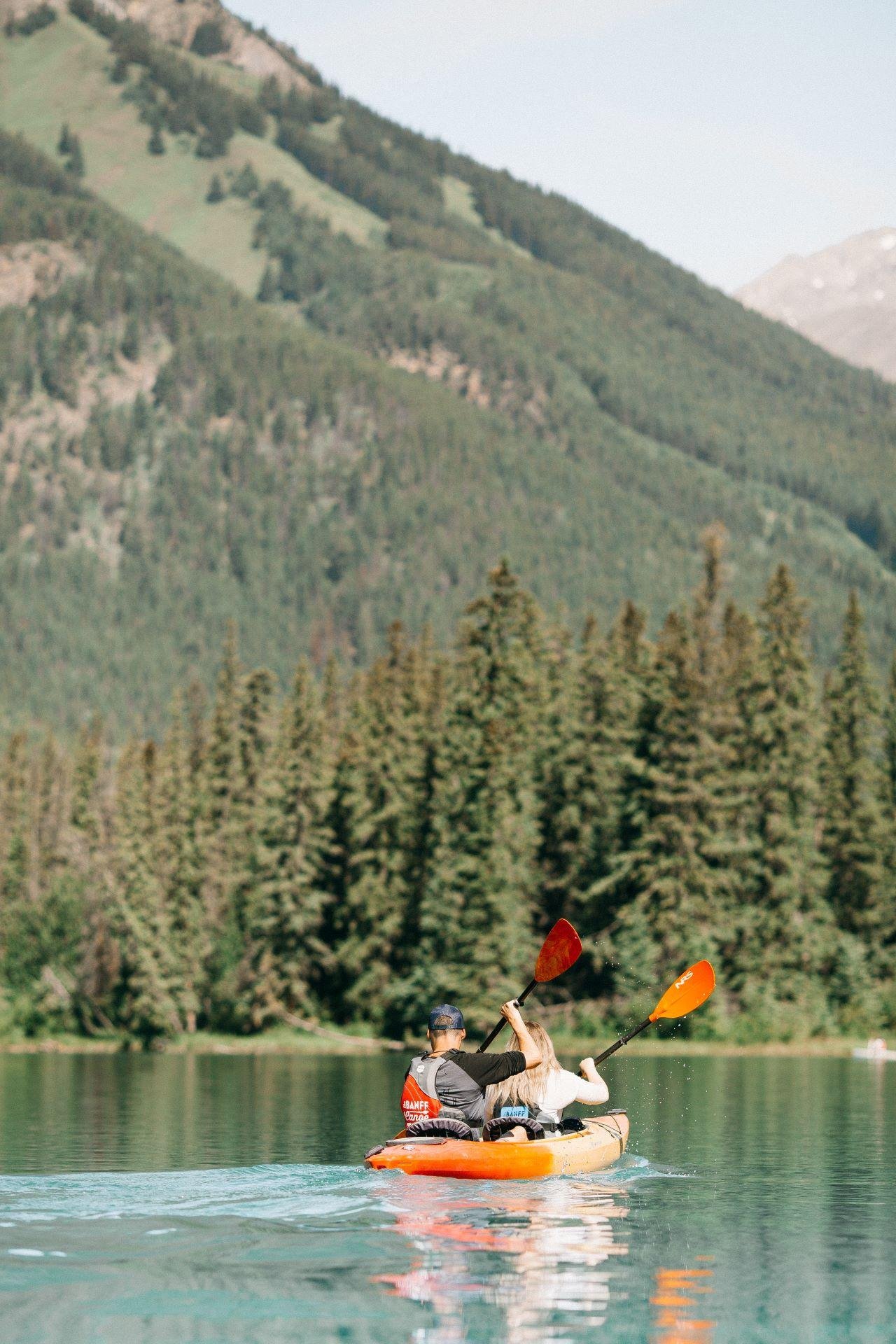
Paddle tranquil waters before the crowds arrive on this peaceful two-hour kayaking adventure
3 hours
Free Cancellation
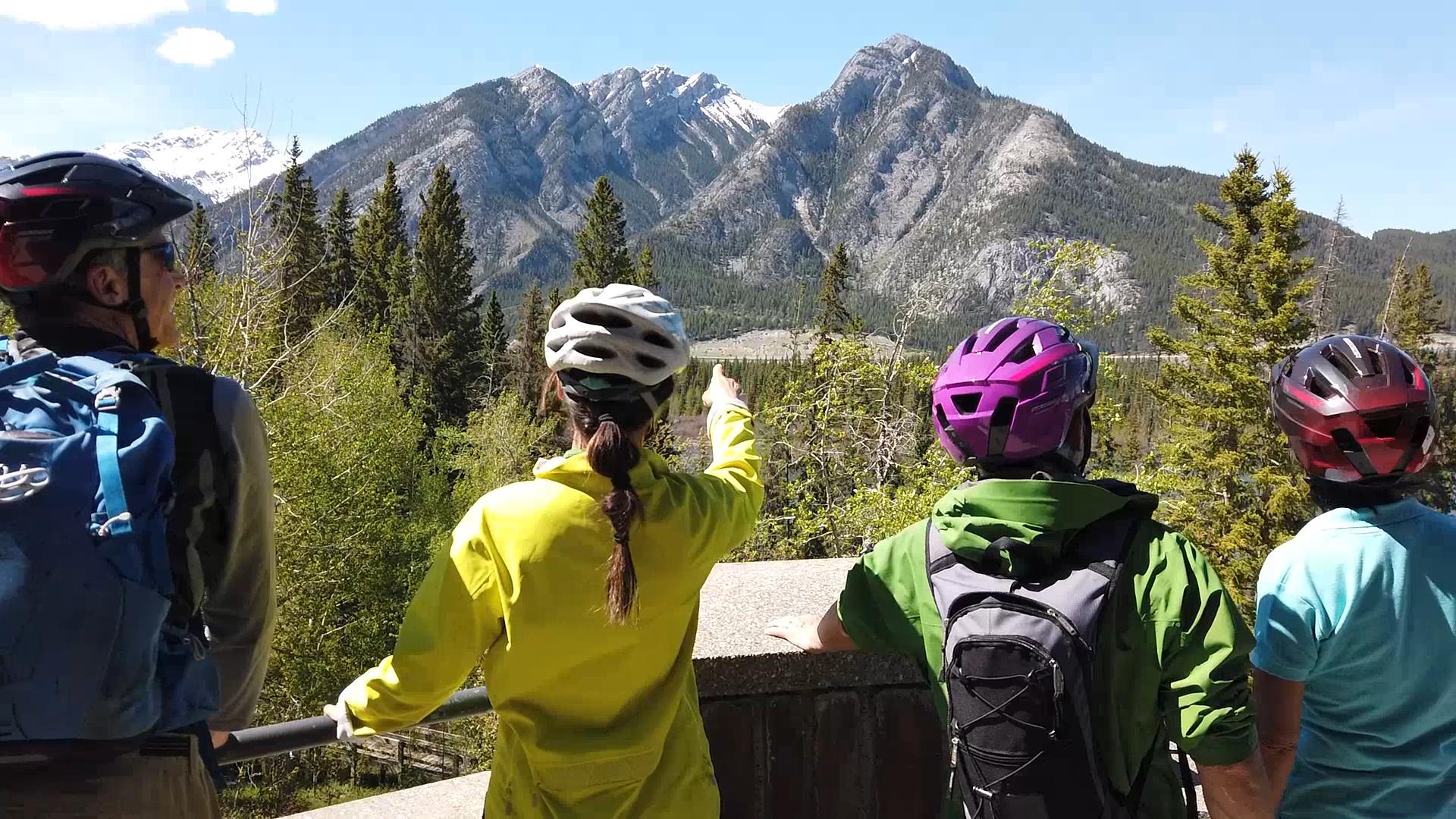
Pedal through Banff's scenic river trails and trek into a stunning forest canyon on this guided combo tour
4 hours
Free Cancellation
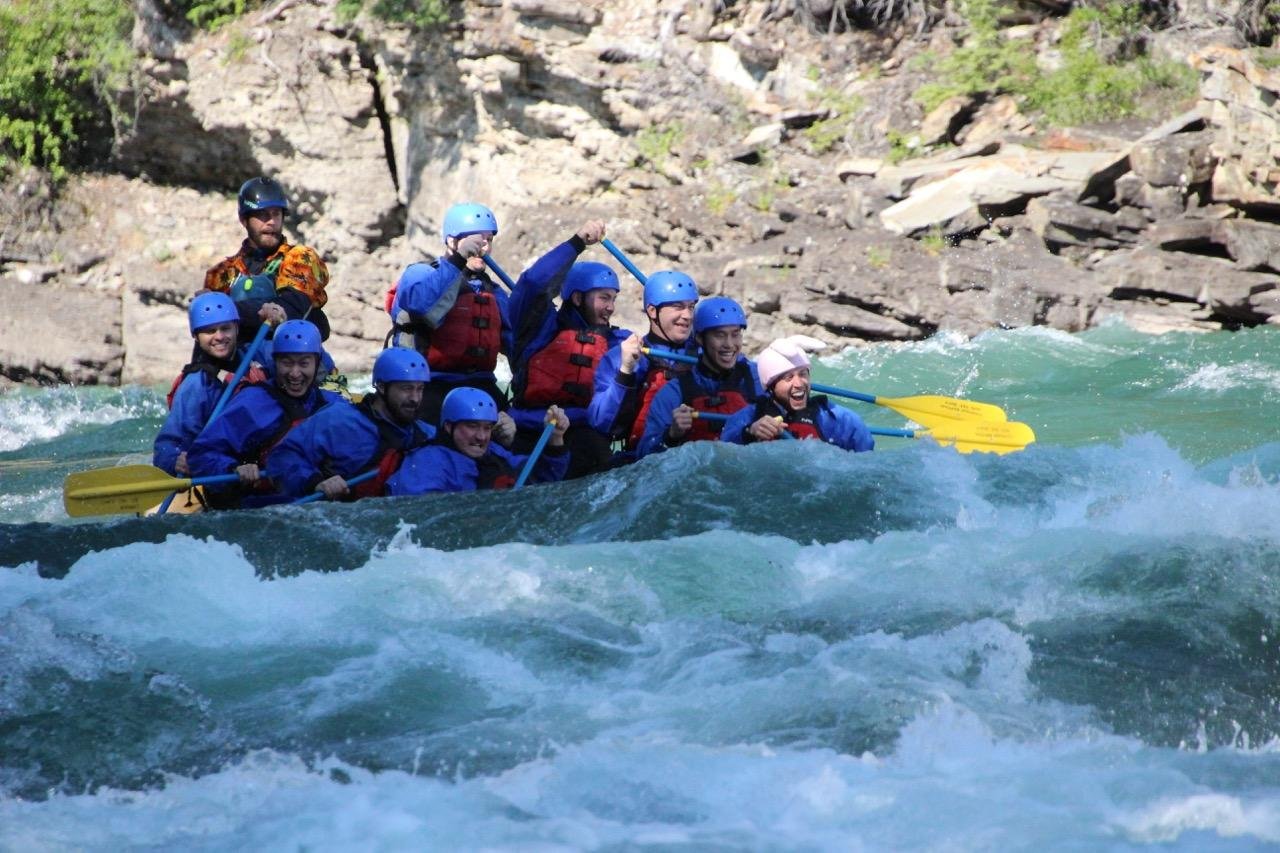
Navigate class 3-4 rapids on the Bow River with optional cliff jumping and wildlife watching
3 hours
Free Cancellation
Pedal through Calgary's best spots on a 3-hour guided ride along the Bow River and historic neighborhoods.
1.5 hours
Free Cancellation
Private luxury rafting journey through the Canadian Rockies with expert guide and stunning mountain vistas
A iconic natural landmark where the river cascades over rugged rock steps
Scenic greens lining the riverbanks known for frequent elk sightings
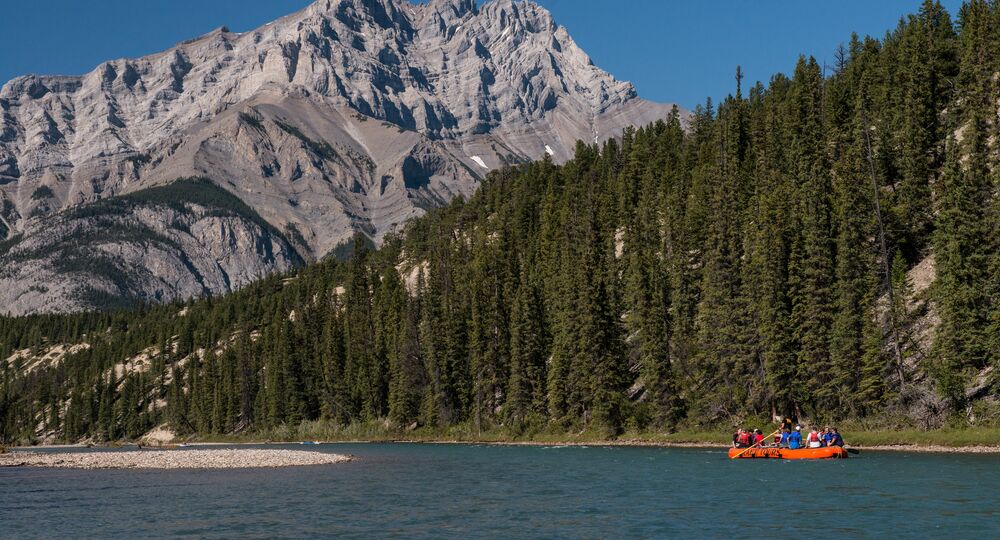
A majestic peak visible throughout your float trip journey
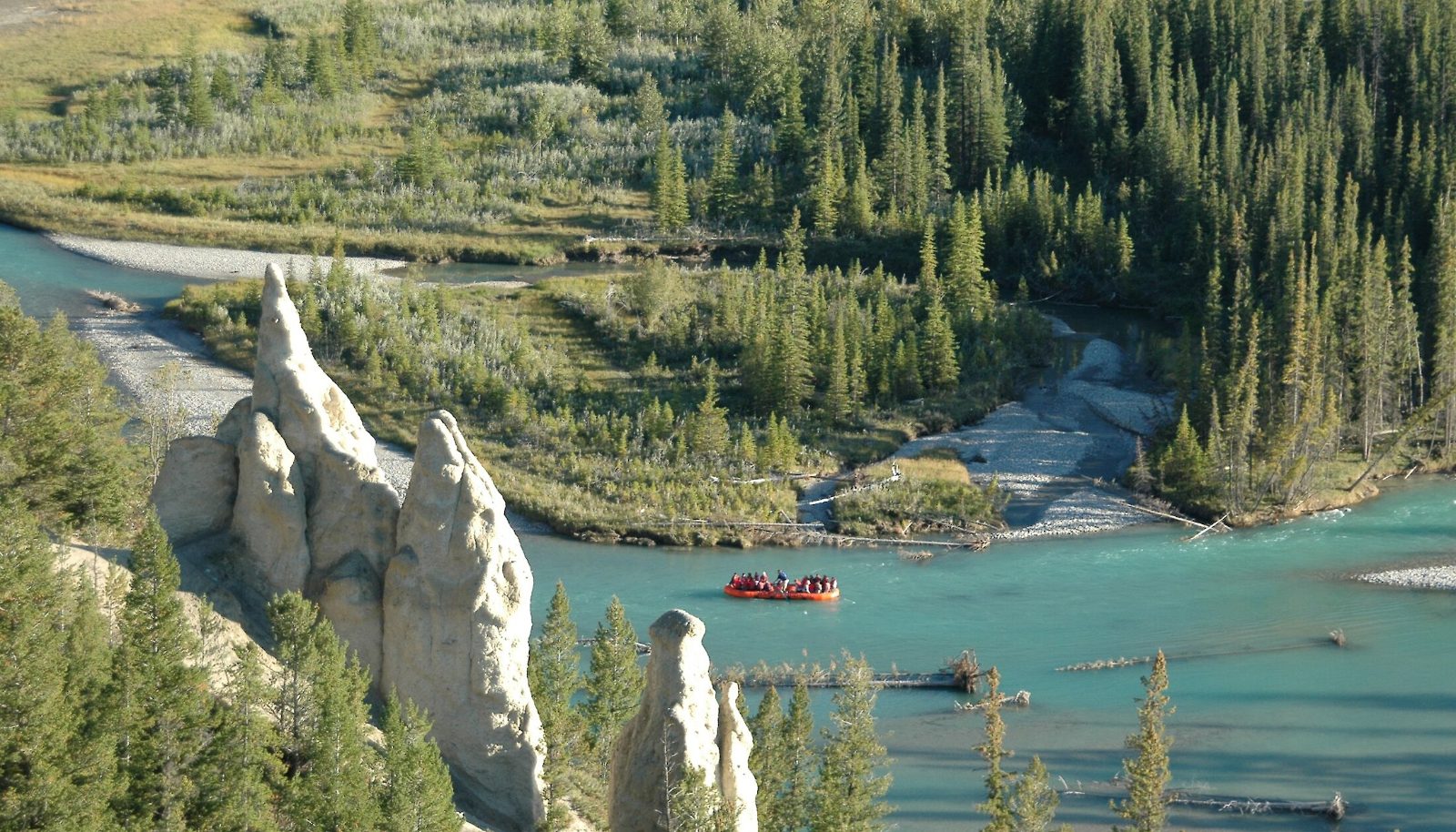
Unique geological formations rising along the riverbank scenery
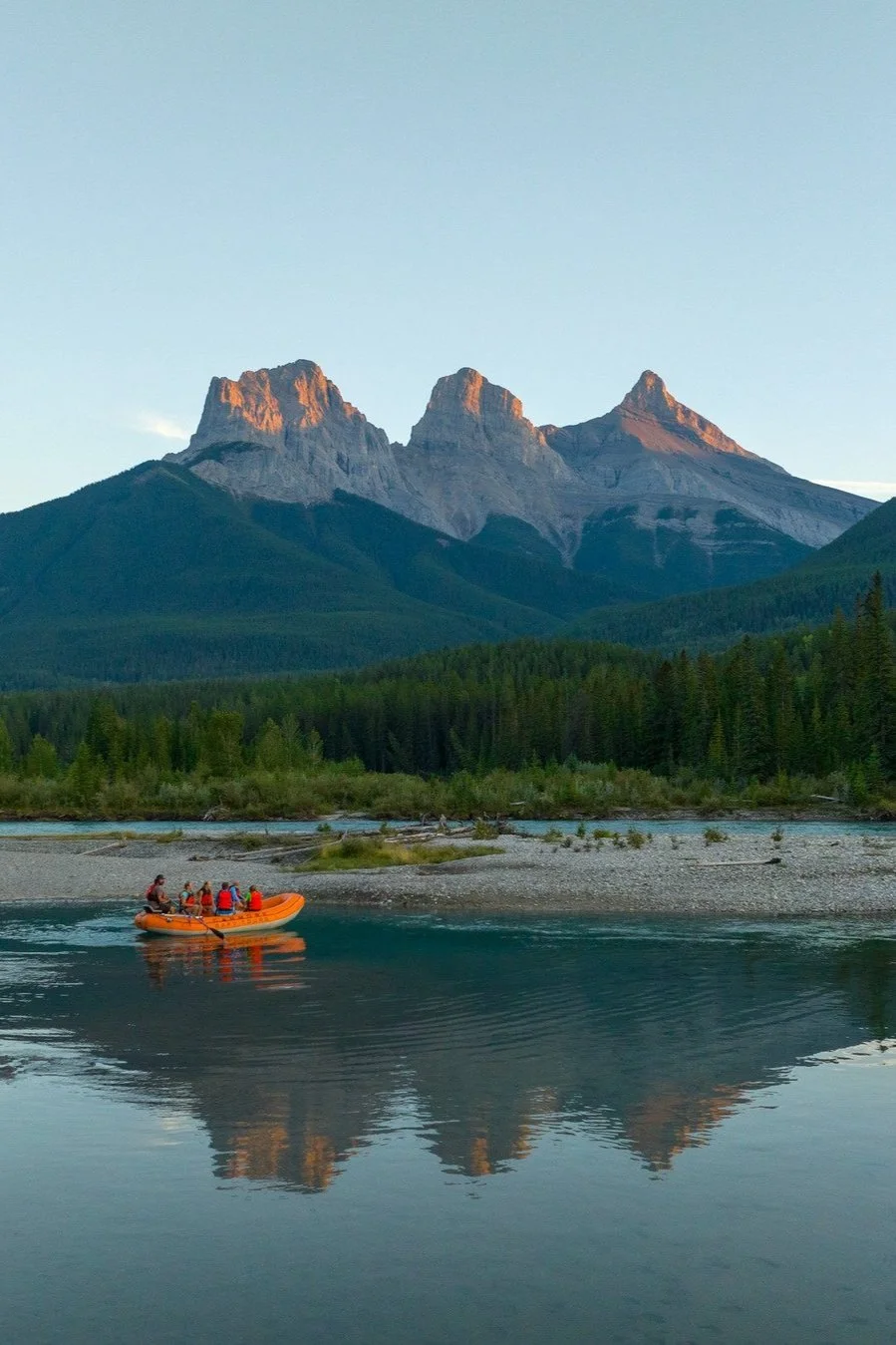
A massive, towering north face that serves as a landmark for many landing points.
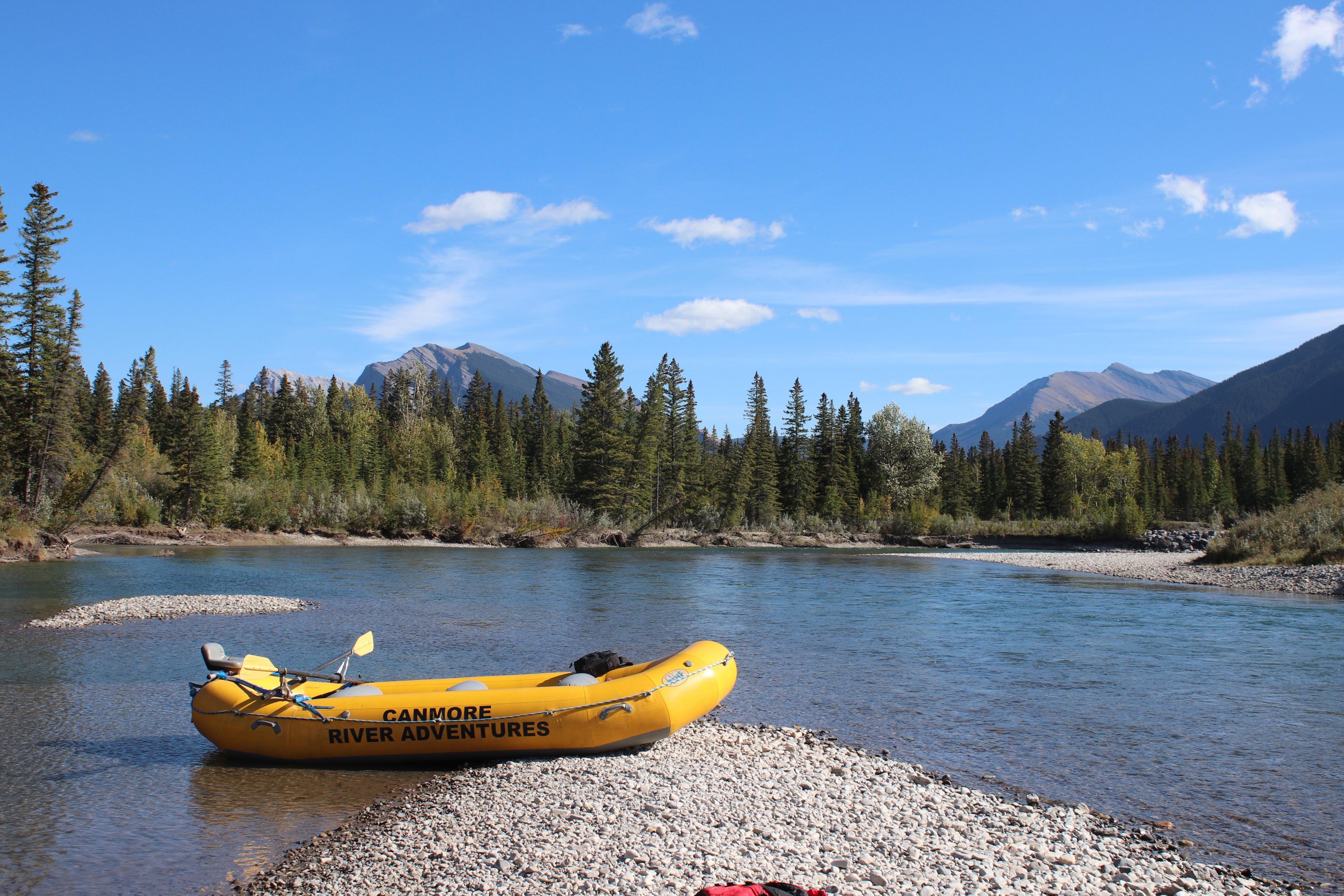
You meet your guide at the launch site near Canoe Meadows, where the river braids into shallow channels around gravel bars deposited by spring floods. The raft is a low-profile model with bench seating for six; life jackets are fitted, and the guide briefs you on paddle commands and wildlife protocols.
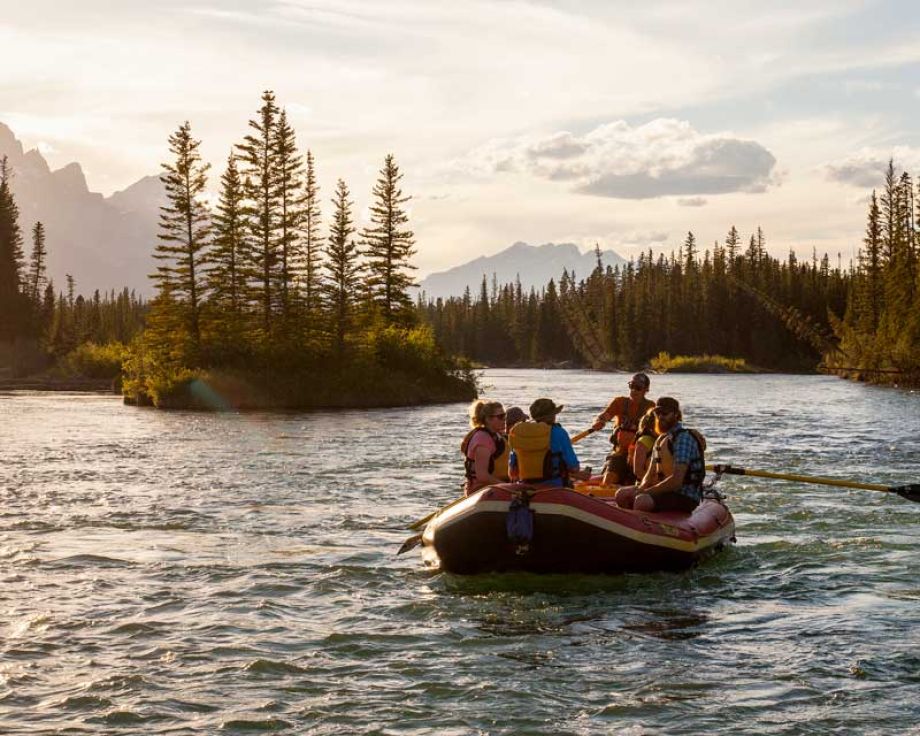
You push off into the current, and the highway noise fades within minutes. The water is glass-clear over a bed of rounded cobbles, and you can see mountain whitefish finning in the shallows.
The first bend brings you under a limestone cliff where swallows dart in and out of mud nests. Your guide points to fresh elk tracks in the sand and explains how the herd moves between winter and summer range. The peaks ahead are still snow-capped in June, and the air smells of spruce and cold stone. You drift past log jams and gravel islands, and the only sounds are the paddle dipping and the river sliding over bedrock ledges. An osprey lifts from a dead snag with a trout in its talons.
The float ends at the takeout beach two hours downstream. You step out onto warm sand, and the shuttle van is waiting to return you to the start.
All the details about your upcoming adventure in one place
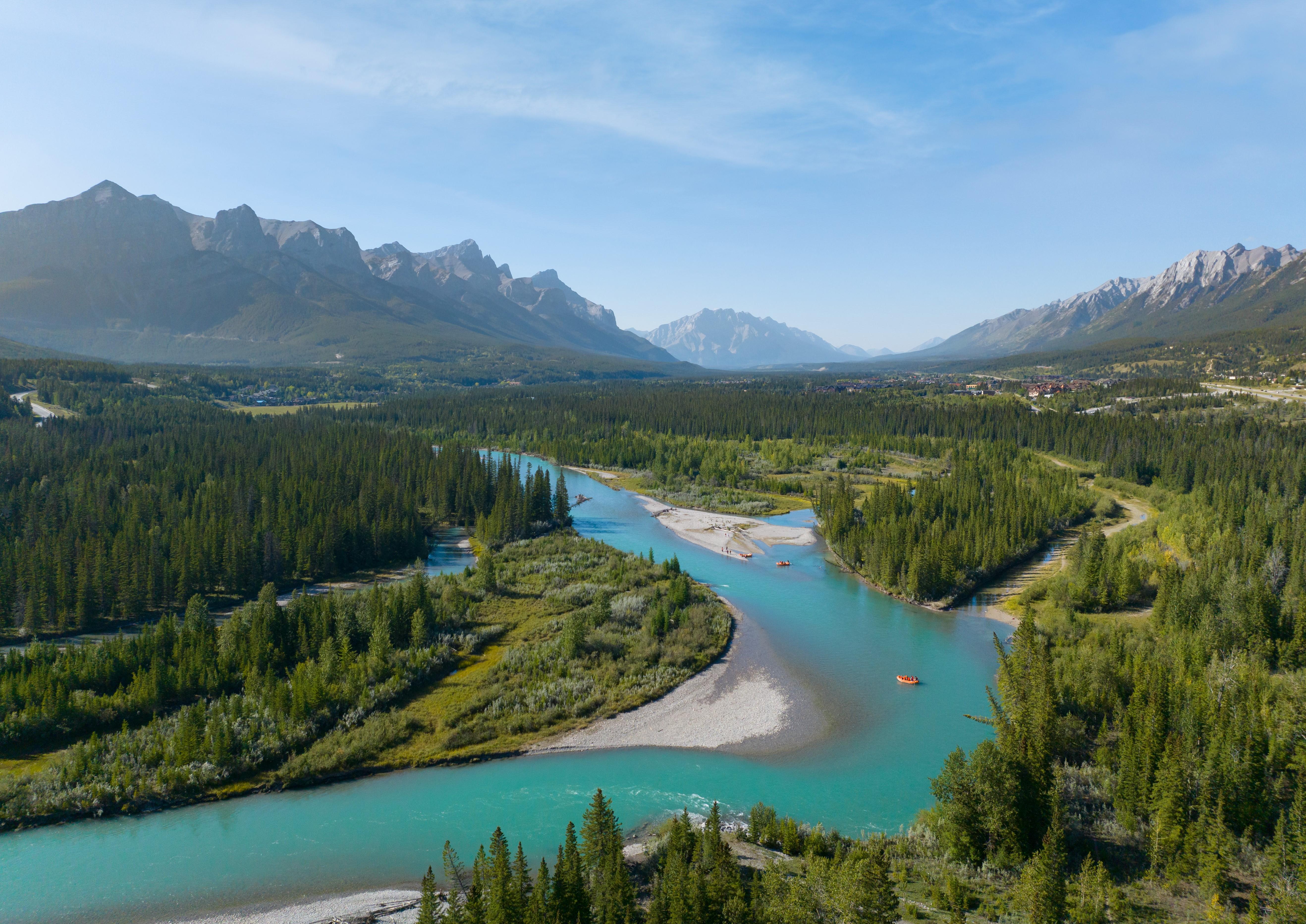
The Bow River drops 1,200 metres from its glacial source to the prairies, but the 26-kilometre stretch between Canoe Meadows and Policeman's Creek descends less than two metres per kilometre — a gradient so gentle that the current carries rafts and canoes at walking pace.
Indigenous peoples travelled this corridor for millennia, hunting bison in the montane valleys and trading obsidian tools along the foothills. The river's name derives from the Blackfoot word "Makhabn," referring to the reeds that grew along its banks and were harvested for arrow shafts. European fur traders mapped the waterway in the 1840s, and the Canadian Pacific Railway followed its course through the Rockies in 1883, opening the region to settlement and tourism. Today the Bow remains one of Alberta's most ecologically intact river systems, supporting 38 fish species and serving as a migratory corridor for elk, bighorn sheep, and black bears moving between Banff National Park and Kananaskis Country.
A bow river float trip tours the same montane corridor that shaped the valley's geology and human history. The river's turquoise colour comes from glacial flour — fine rock particles ground by the Bow Glacier and suspended in meltwater that reflects short-wavelength light. Water temperature hovers between 4 and 8 degrees Celsius even in summer, fed by glaciers that have receded 1.3 kilometres since 1950. The riverbanks host white spruce, balsam poplar, and willow thickets that provide thermal cover for wintering ungulates; ecologists have documented 217 bird species in the riparian zone, including bald eagles, great blue herons, and endangered bank swallows that nest in eroding cutbanks. Float trips pass beneath the Fairholme Range to the north and the Sundance Range to the south, both composed of Paleozoic limestone laid down 350 million years ago when the region lay beneath a shallow tropical sea. Fossils of brachiopods, crinoids, and trilobites appear in roadcuts and talus slopes along the valley.
Commercial float operators work under permits from Alberta Environment and Parks, which limits group sizes and mandates no-trace practices to protect nesting sites and spawning beds. Most bow river float trip tickets include interpretive narration covering glaciology, wildlife behaviour, and Indigenous history. The river corridor remains roadless for much of its length, preserving a rare quiet in a region that welcomes four million visitors annually.

The Bow remains one of Alberta's most ecologically intact river systems, supporting 38 fish species and serving as a migratory corridor for elk, bighorn sheep, and black bears.
Wear warm, layered, casual clothing and comfortable footwear. Quick-dry synthetic materials are preferred over cotton, as mountain weather changes rapidly.
Small day bags are generally allowed on a bow river float trip tour. Ensure valuables are secured in dry bags to protect against occasional splashes.
Cameras and mobile devices are encouraged to capture scenery. Professional-grade dry cases are recommended for bow river float trip tickets holders.
The bow river float trip is a family-friendly activity suitable for most ages. Children must typically meet a minimum weight or age requirement.
Some operators offer accessible shuttles for bow river float trip tours, but riverbank access can vary. Contact specific providers in advance for requirements.
Bringing water and light snacks is recommended for your bow river float trip. Avoid glass containers and dispose of all waste responsibly.
Operating hours
00:00–23:59
Address
Bow River, Alberta, Canada
Accessibility
Inquire with local operators
Best arrival
08:00–18:00
Storage
Not provided; pack light
Most operators offer a 24 to 48-hour cancellation window for full refunds. Fees are often non-refundable if cancelled within the designated window.
Recommended time
1.5 hours
A typical bow river float trip lasts approximately 1.5 hours, allowing enough time for gentle paddling through the valley. Arriving during the 08:00–18:00 best arrival window helps ensure optimal light for wildlife spotting and mountain photography. Visitors looking for bow river float trip tours often find that mid-day hours bring increased activity, while early morning or late afternoon shifts offer a calmer experience on the water. While bow river float trip tickets are not required for free entry, planning your arrival around these crowd fluctuations helps optimize your time on the water.
Crowd levels through the day
The Bow River has served as a transportation corridor for millennia, but organized recreational floating emerged only in the mid-twentieth century. Indigenous peoples including the Stoney Nakoda, Tsuut'ina, and Blackfoot Confederacy traveled its waters for fishing and trade long before European contact. By the 1880s, the Canadian Pacific Railway's arrival transformed the valley into a tourism gateway, yet the river remained a working waterway for log drives and hydroelectric schemes rather than leisure. The first documented commercial bow river float trip tours appeared in the 1950s, when Banff outfitters began offering guided raft excursions between the townsite and the Vermilion Lakes delta. These early operations used military-surplus rubber rafts and catered primarily to American anglers seeking cutthroat trout. The 1970s brought ecological controversy. Proposed dam projects at sites downstream threatened to flood critical spawning habitat, prompting conservationists to advocate for protected river corridors. In 1978, the Alberta government designated a thirty-kilometer stretch from Lake Louise to Canmore as a recreation reserve, prohibiting new dams and motorized watercraft. This regulatory shift allowed non-motorized bow river float trip experiences to proliferate. By 1985, more than a dozen permitted outfitters operated seasonal services, and the river's reputation as a family-accessible float destination spread across North America. Modern operations face different pressures. Increased visitation—over 120,000 commercial float participants annually by 2019—prompted Parks Canada to introduce a quota system in 2021, capping daily launches at key access points. Simultaneously, climate-driven glacial recession has altered flow patterns, shortening the prime floating window from late May through August. The river's character has shifted from a frontier adventure to a managed amenity, yet its mountain-fed clarity and wildlife sightings remain the core appeal. Today's bow river float trip tickets must be booked weeks in advance during peak summer months, a far cry from the walk-up availability of earlier decades.
Indigenous nations use the Bow River as a travel and fishing route for thousands of years
Canadian Pacific Railway development turns the valley into a tourism corridor, though the river serves industrial log transport
First commercial float tours launch from Banff using surplus military rafts for anglers
Alberta designates a thirty-kilometer recreation reserve, blocking new dams and protecting non-motorized access
Permitted outfitters exceed a dozen operators as the float experience gains family-market popularity
Annual commercial participants surpass 120,000, straining access infrastructure
Parks Canada introduces daily launch quotas at major put-in points to manage crowding
Glacial recession shortens the optimal floating season and alters downstream flow characteristics
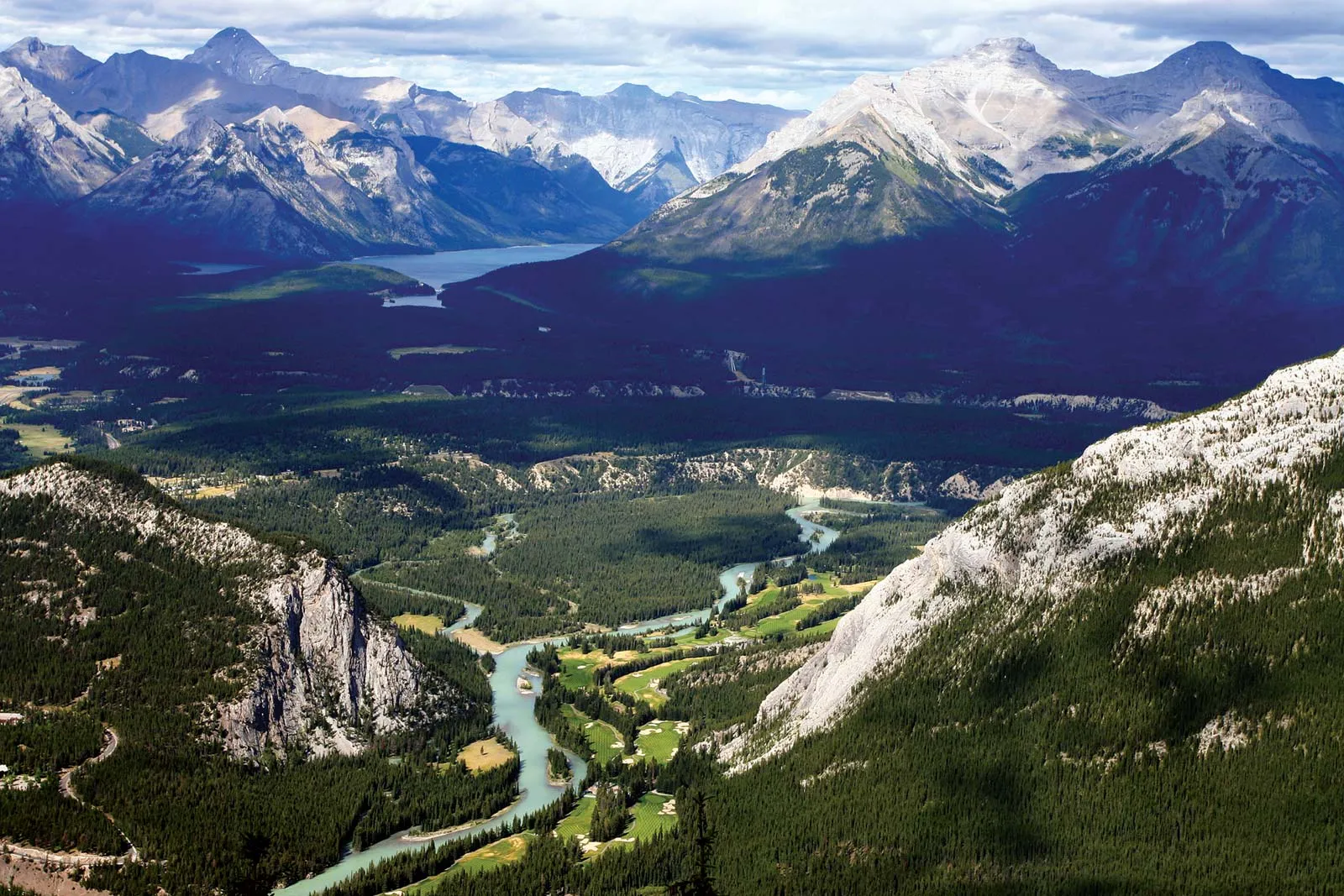
Position your camera at this elevated vantage point to capture the winding river against the dramatic backdrop of the Canadian Rockies. This provides a clear perspective for those looking to document their bow river float trip from a stable platform.
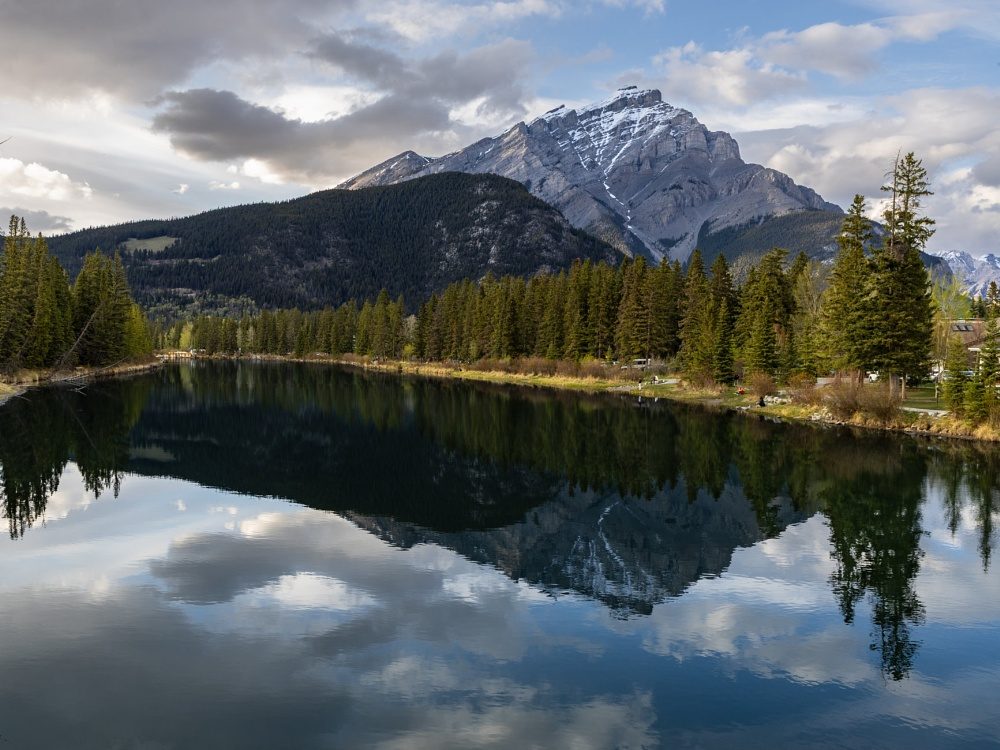
Locate this spot along the riverbank where the peak aligns perfectly with the water flow for a classic reflection shot. This is a common stop during many bow river float trip tours where the current slows down.
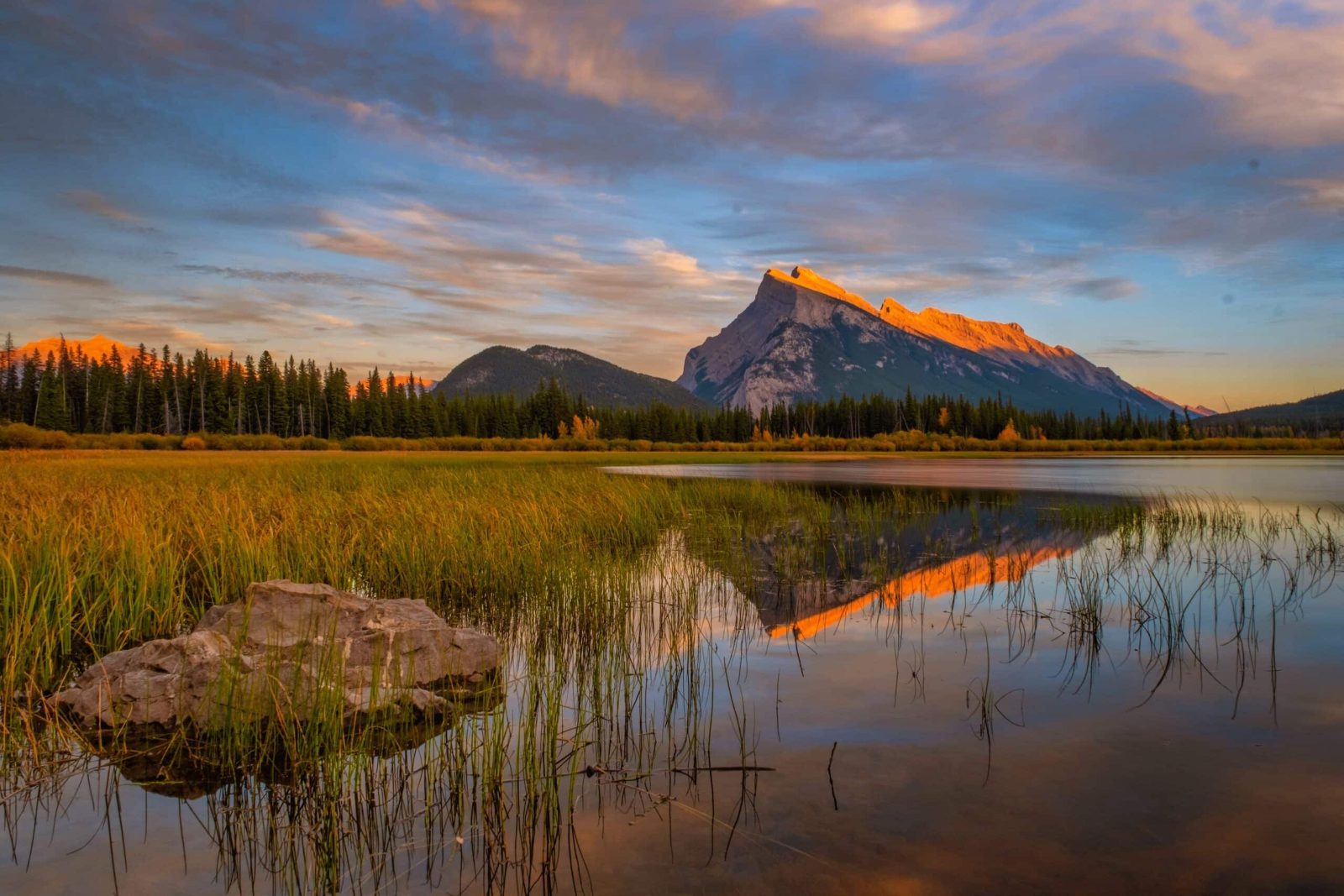
Capture the marshy foreground vegetation leading the eye toward the distant mountain silhouettes along this accessible stretch. It serves as an excellent location to frame your bow river float trip tickets documentation without requiring deep wilderness access.
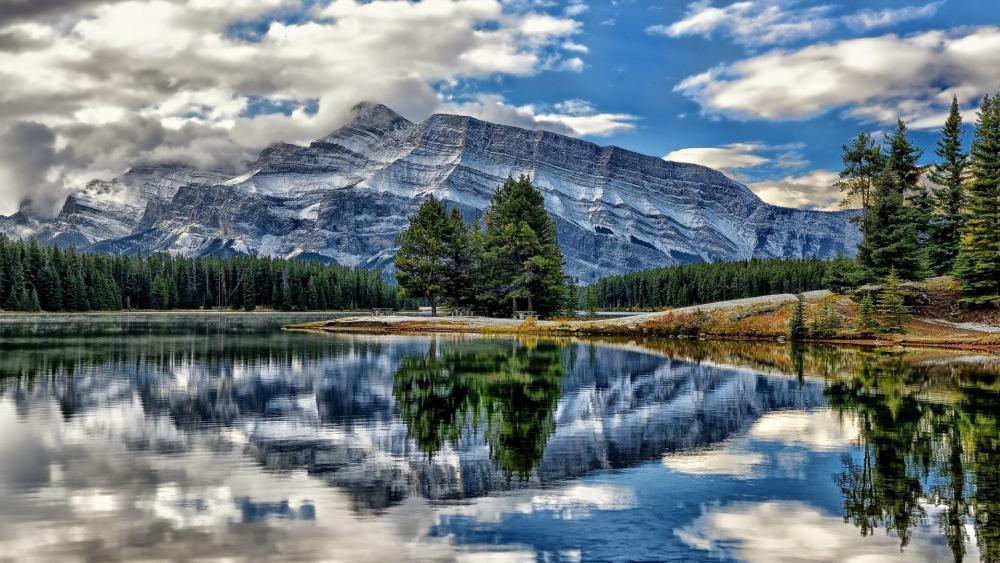
Stand on the designated river access point to photograph the iconic jagged face of the mountain reflecting on the calm surface. This specific angle is highly sought after by photographers seeking the perfect bow river float trip tour composition.
Planning a bow river float trip provides families with a gentle way to experience the mountain scenery of Alberta together. These guided excursions offer a calm water adventure that is generally suitable for most ages.
Operators provide coast guard-approved personal flotation devices for all passengers, including specialized sizes for infants and young children.
This excursion is ideal for toddlers through grandparents, as the stable rafts offer a relaxed pace that keeps kids comfortable.
When booking your bow river float trip tours, check if your provider offers transport from your hotel to simplify the transition with gear and little ones.
While riverbanks may have uneven terrain, staff are trained to assist families in boarding and exiting the craft safely.
Since the water can be cool even in autumn, dressing in layers is recommended to ensure children remain warm throughout the river excursion.
Securing your bow river float trip tickets in advance is recommended to guarantee space for your entire group on a single raft.
Finding a meal near your bow river float trip is convenient, as the river flows past central hubs in Banff and Canmore with diverse options. Whether you seek a quick bite after your scenic Banff float excursion or a sit-down meal, these spots accommodate varying schedules between 08:00–18:00.
Located near the water, this campfire-inspired spot offers house-made spirits and rotisserie meats. It is a popular choice for groups finishing bow river float trip tours.
This family-friendly restaurant serves organic pizzas and pastas perfect for refuelling. Visitors often stop here after their bow river float trip tour to enjoy local ingredients.
A staple in Canmore known for craft sodas and pub fare with mountain views. It serves as a casual post-adventure stop for those holding bow river float trip tickets.
Everything you need to know for your journey
Access to the Bow River is free, but guided bow river float trip tours require booking and payment.
Guided operators typically run daily between 08:00–18:00, with departures scheduled throughout the day.
Yes, booking bow river float trip tickets in advance is recommended to secure your preferred departure time.
Yes, requirements vary by operator but generally accommodate children from age 2 and up who meet specific weight criteria.
The best arrival window for a bow river float trip is 08:00–18:00, when wildlife is active and mountain scenery is illuminated.
Yes, you can bring your own gear to the Bow River, but guided tours include all necessary equipment and transport.
Yes, the bow river float trip is a top family activity due to the calm, gentle waters and stunning views.
Most operators proceed with the bow river float trip rain or shine, offering credits or rebooking if conditions are unsafe.
Meeting points for a bow river float trip are usually designated by the tour operator, often near Banff or Canmore.
Join thousands of happy travelers who have discovered this incredible experience
Book Your Experience Now