4 hr
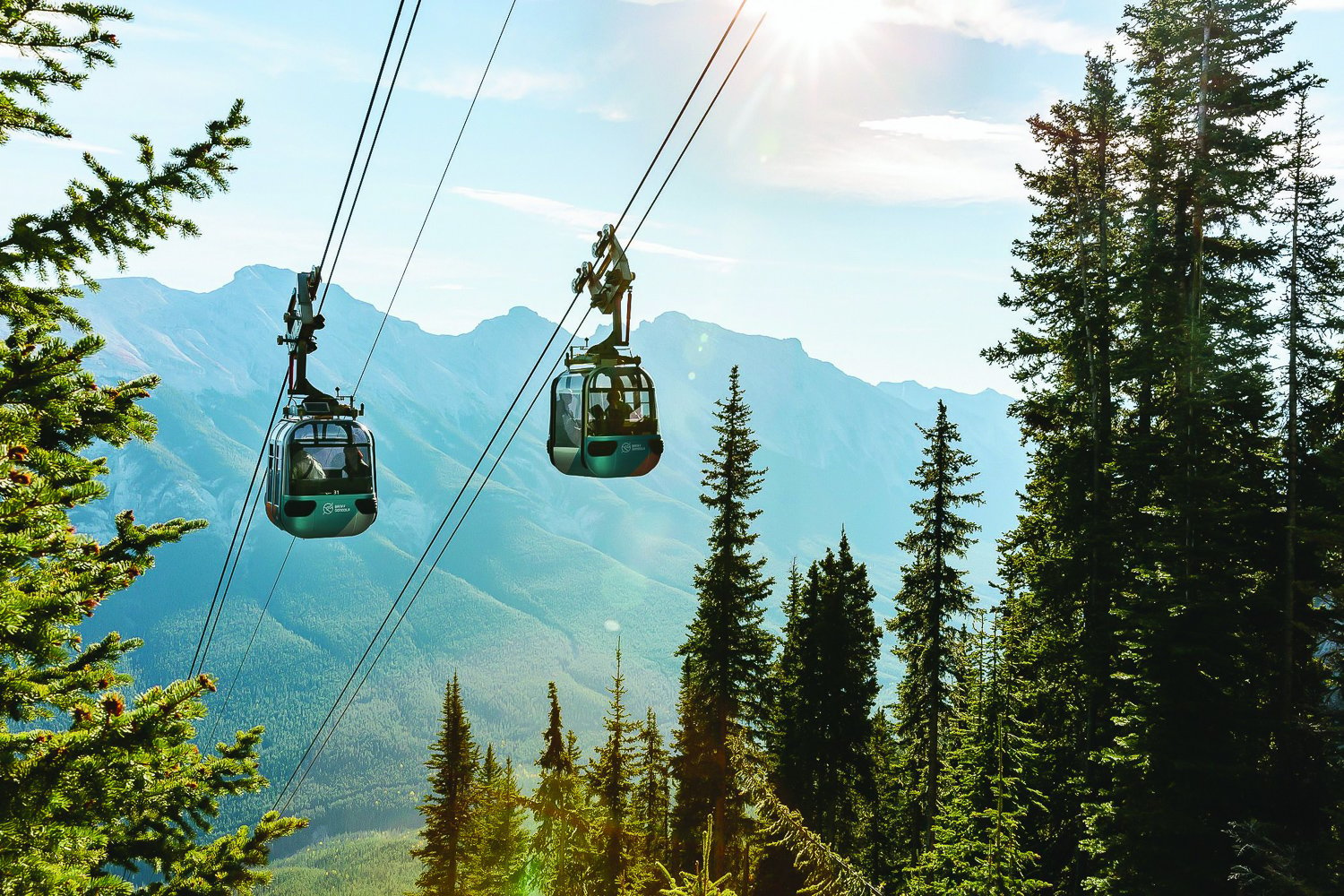
Sulphur Mountain Gondola Experience
- Entry ticket
- Mobile voucher
- Valid same day
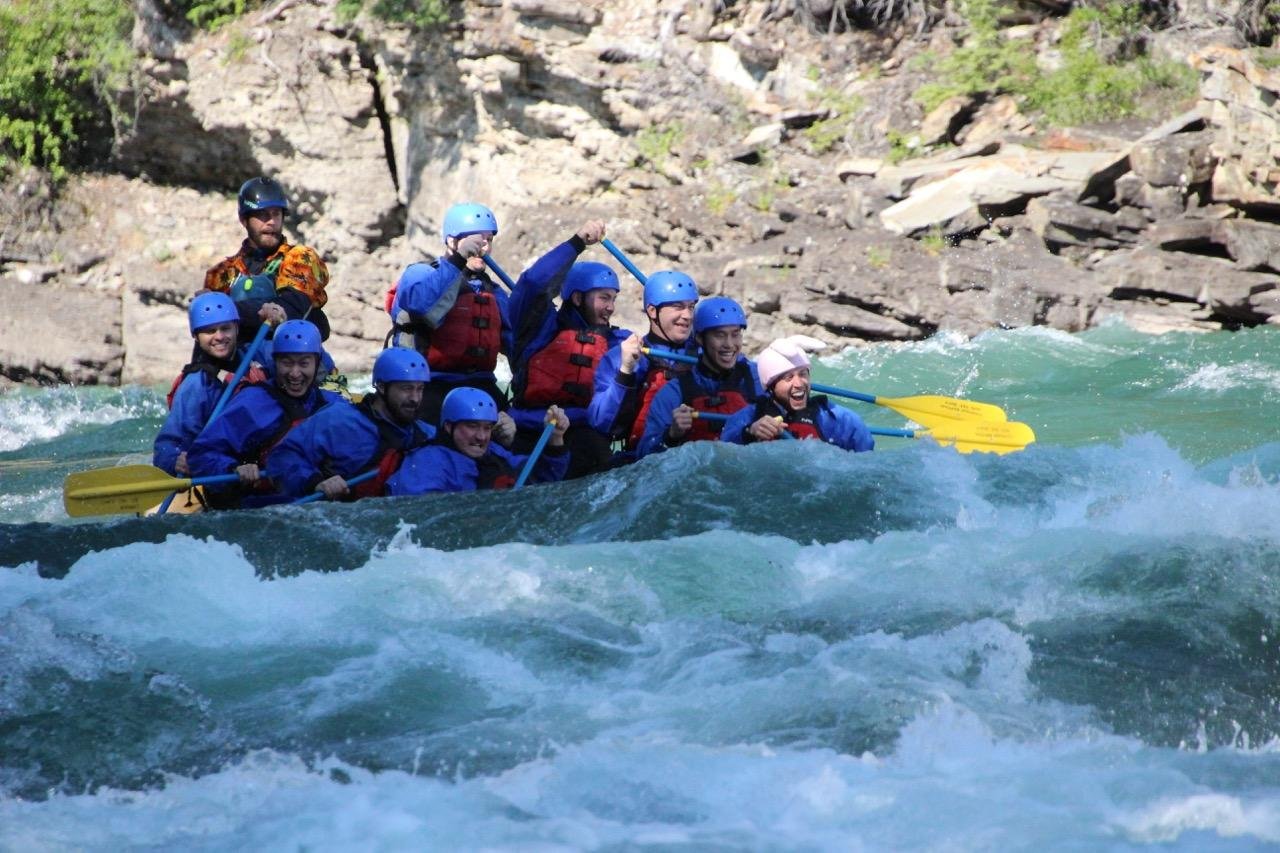
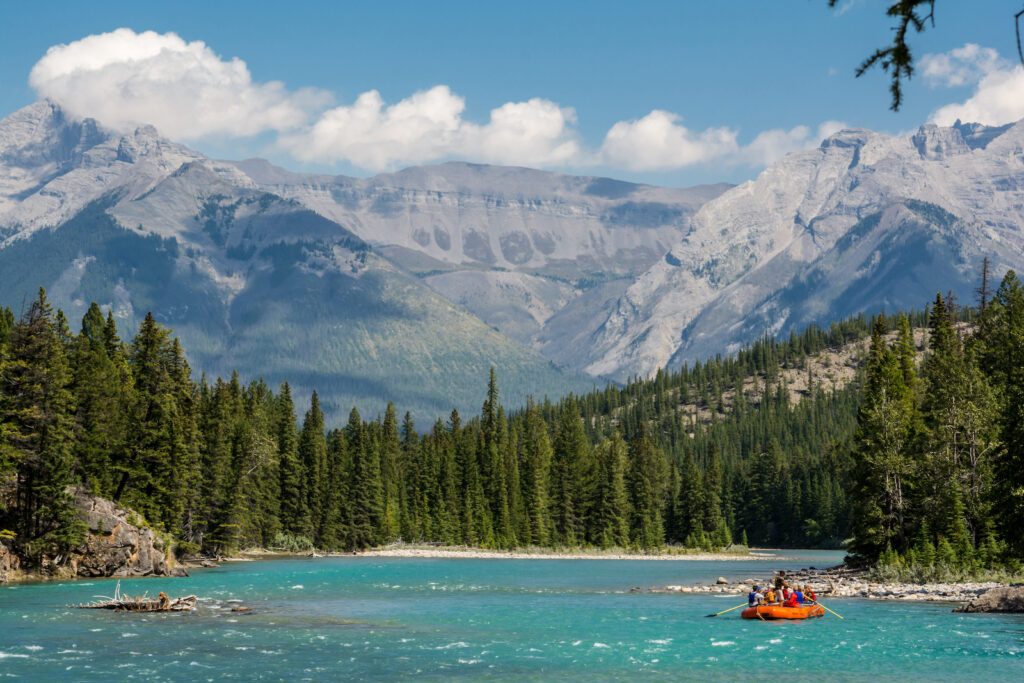
Bow River Rafting — Whitewater & Scenic Floats
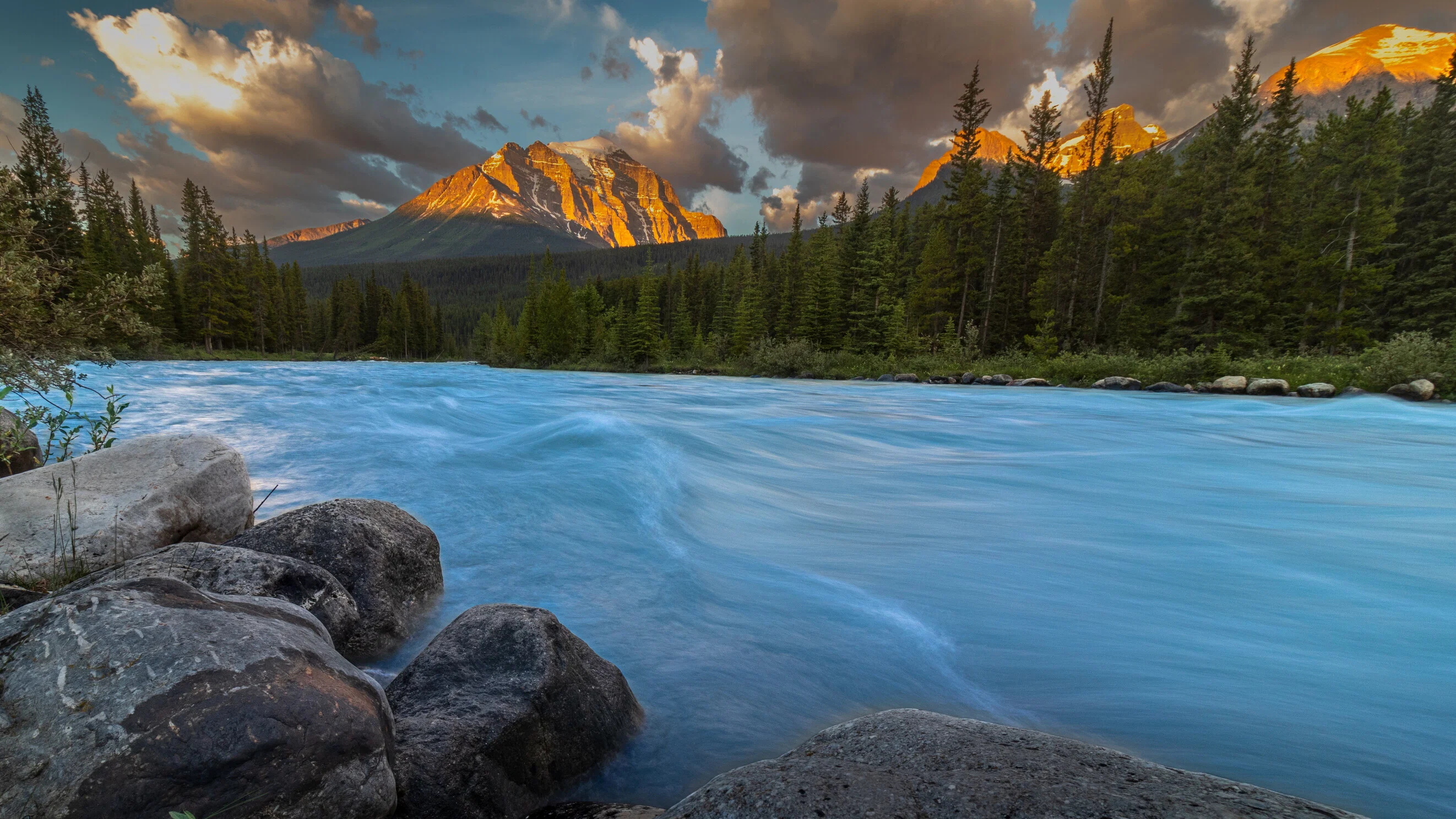
Glacial currents through alpine canyon, morning calm or churning rapids
Compare fares, pick the fit — all bookings are mobile-voucher and eligible for free cancellation where shown.
4 hr
1 hr 30 min
3 hr 30 min
Choosing between bow river rafting tours allows you to experience the glacial-fed currents of Banff National Park through either high-energy whitewater or tranquil guided float trips. This overview helps you decide which adventure best fits your group's pace and preferences.
| Scenic Float Trip Guided Sightseeing |
Top pick Whitewater Rafting Adventure Sport |
|
|---|---|---|
| River Experience | Gentle float | Class 3-4 rapids |
| Recommended for | Families and seniors | Thrill seekers and adults |
| Physical Effort | Minimal | Active paddling |
| Duration | 1-2 hours | 4-6 hours |
| Included | Professional guide and gear | Professional guide and safety gear |
| See tickets & prices |
Verdict: Select the scenic float for a relaxed day on the water, or book bow river rafting tickets for an adrenaline-filled expedition through the canyon.
Worth it for adventure seekers and nature lovers
Bow river rafting delivers genuine Rocky Mountain wilderness access without the price shock of many Banff activities—the Bow River Scenic Float runs around CAD 89 for a family-friendly two-hour paddle through calm canyon stretches, while the Kananaskis River Whitewater Rafting Adventure (CAD 109–139) tackles Class II-III rapids for adrenaline hunters. You'll need a Banff National Park pass (CAD 10.50 daily), but the river itself is free to access for DIY paddlers with their own gear. The real value lies in wildlife sightings—eagles, bighorn sheep, and occasional elk—framed by the Fairholme Range and Mount Rundle. Bow river rafting tours handle logistics, safety briefing, and equipment, letting you focus on the scenery rather than navigation. Skip it if you want white-knuckle thrills—the Bow's gentler sections prioritize views over velocity, though the Kananaskis option bridges that gap.
Bottom line: If you want immersive Rockies scenery without summit hikes or sky-high prices, rafting the Bow River pays off in spades.
They complement each other; most visitors who do both find that booking bow river rafting tours offers a hands-off thrill, whereas canoeing provides a serene, self-directed exploration of Banff landmarks.
|
Top pick Rafting |
Canoeing | |
|---|---|---|
| Effort Level | Low (passive) | High (active paddling) |
| Guided vs. Self-Guided | Guided | Self-Guided |
| Group Capacity | Large groups (8-12) | Small groups (2-3) |
| Stability | High (stable rafts) | Moderate (tippable boats) |
| Primary Experience Goal | Group excitement and views | Personal connection to water |
| See tickets & prices |
Verdict: Choose the bow river rafting tour if you prefer a stress-free group journey, or opt for canoeing if you want to secure bow river rafting tickets for a more intimate, private adventure on the water.
Hand-picked experiences loved by thousands of travelers
1 hour
Free Cancellation
Ride through pristine wilderness, cross the Spray River, and take in stunning mountain vistas on this guided trail
8 hours
Free Cancellation
Explore Banff's iconic destinations at your own rhythm with flexible bus service to six stunning locations
1.5 hours
Free Cancellation
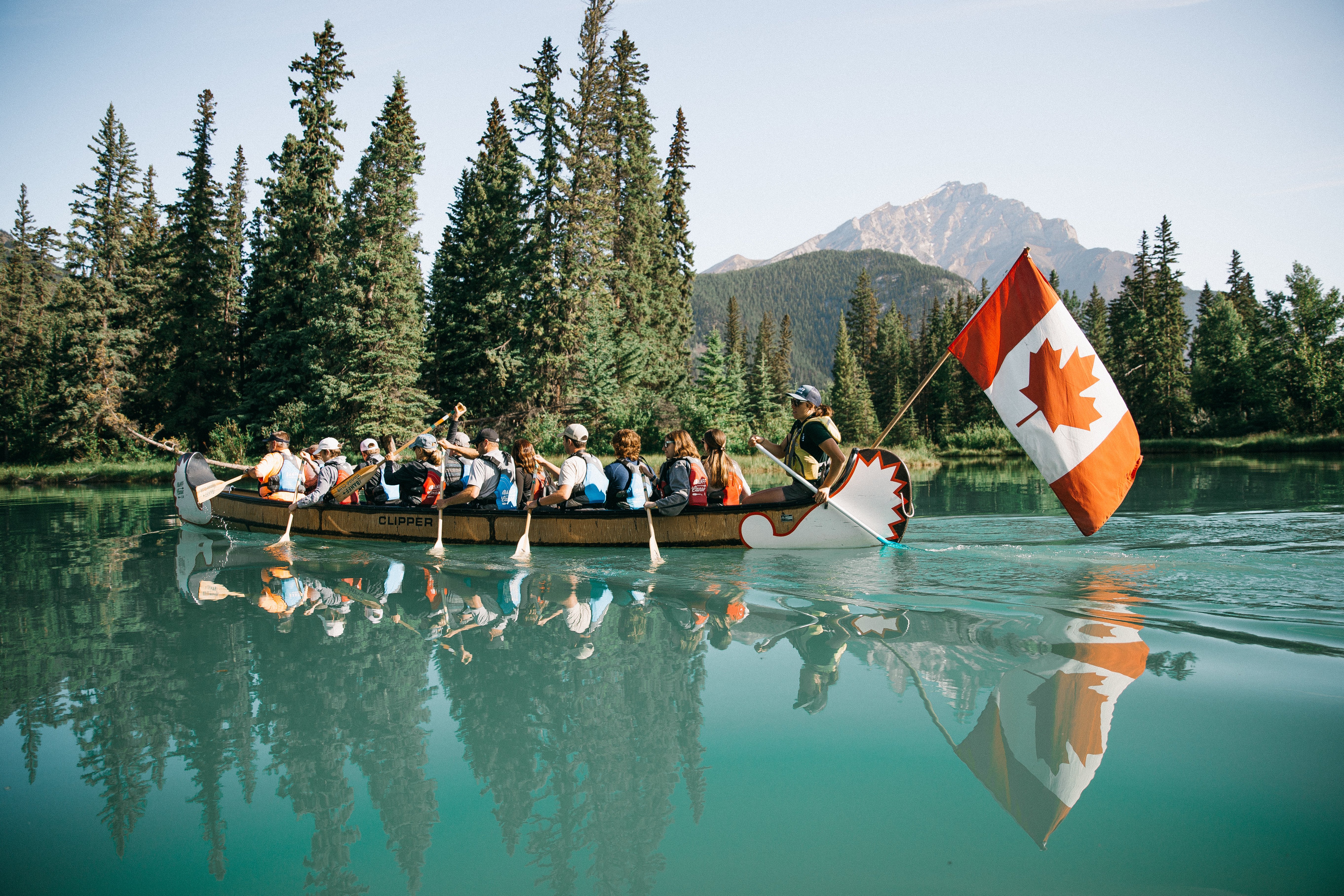
Paddle through stunning mountain scenery on a guided canoe journey perfect for families and beginners
1 hour
Free Cancellation
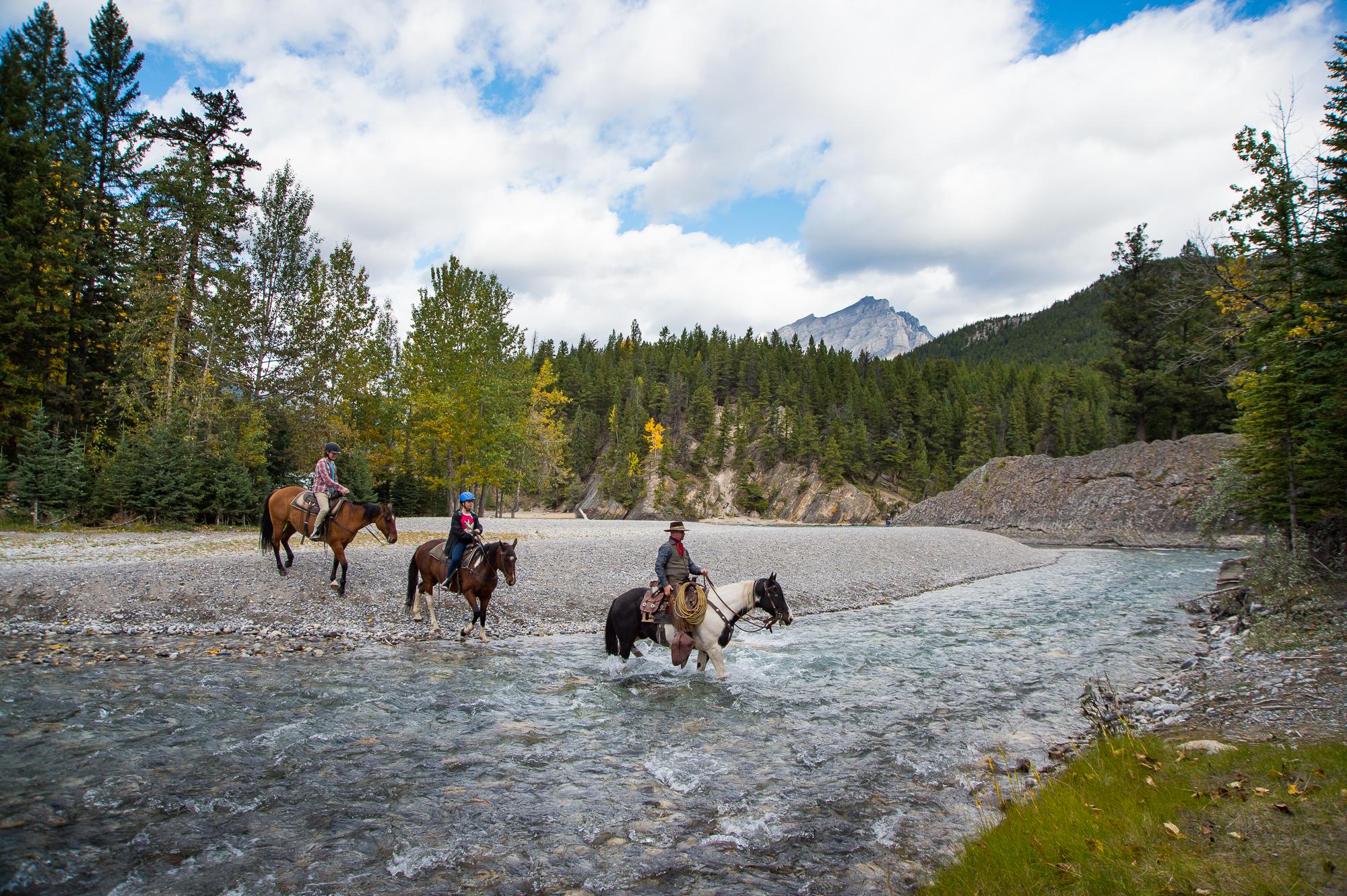
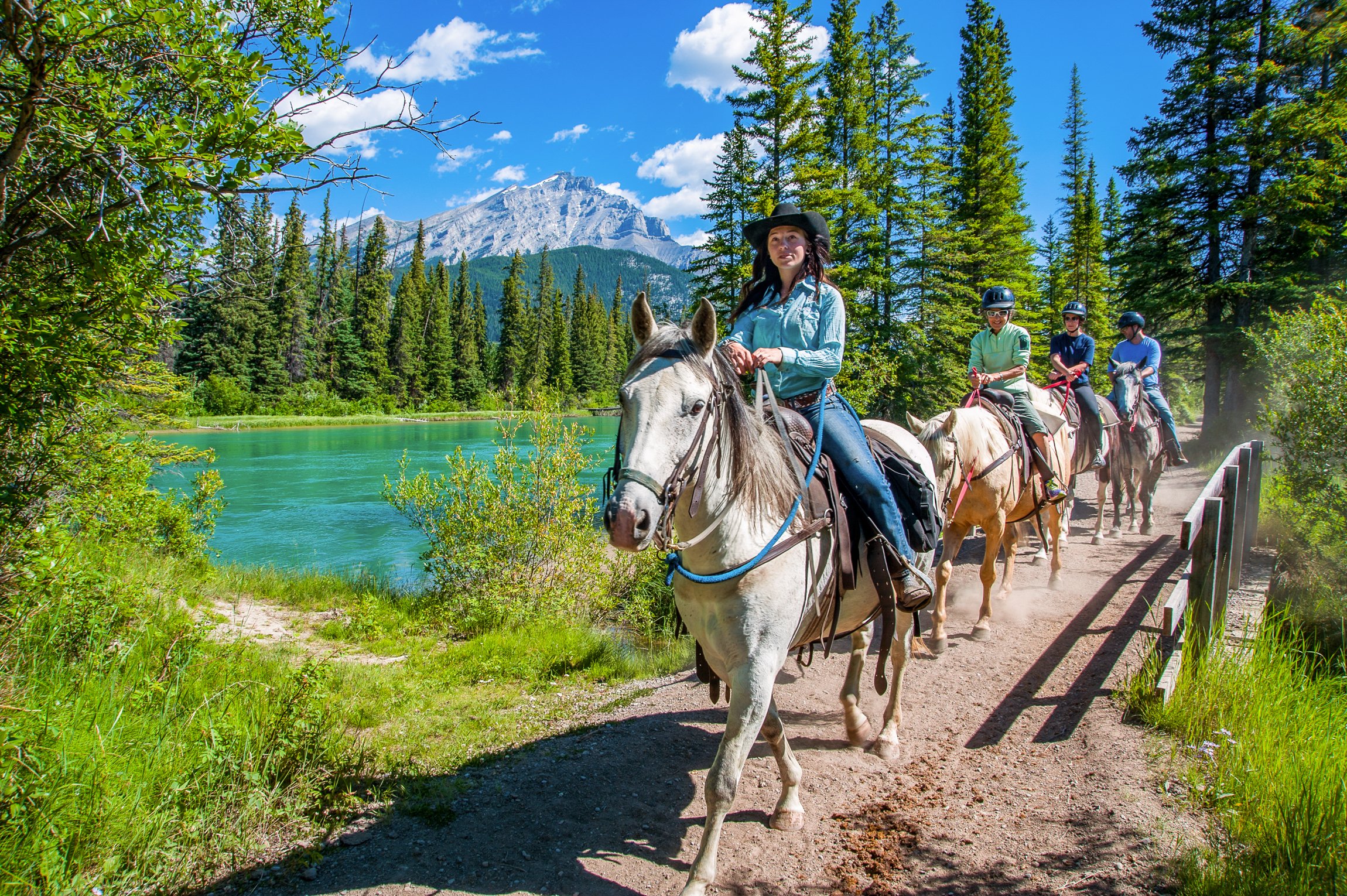
Explore Banff's stunning landscapes on horseback along the peaceful Bow River with mountain panoramas.
3 hours
Free Cancellation
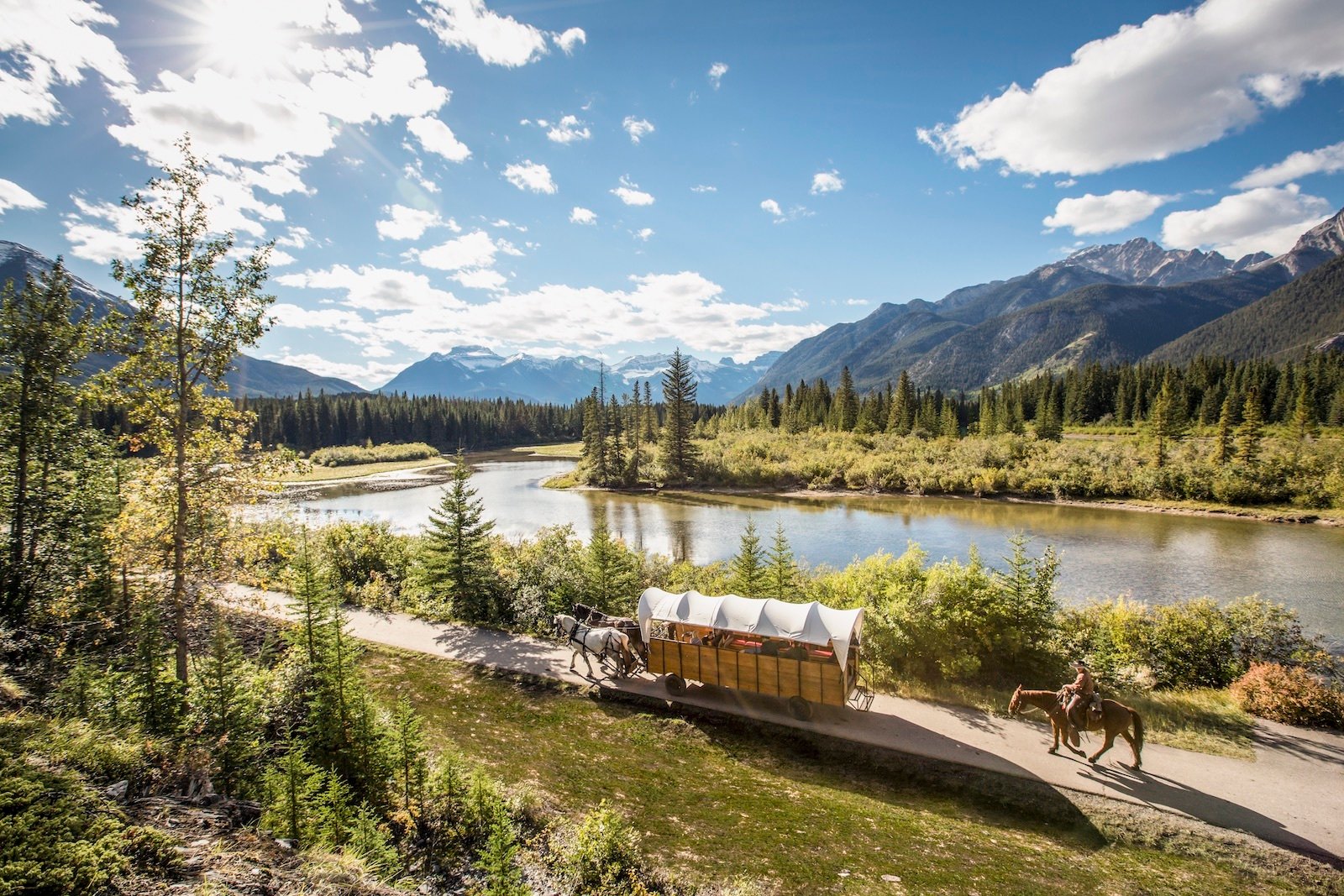
Horse-drawn wagon journey through Banff with a grilled steak feast at a mountain cabin
4 hours
Free Cancellation
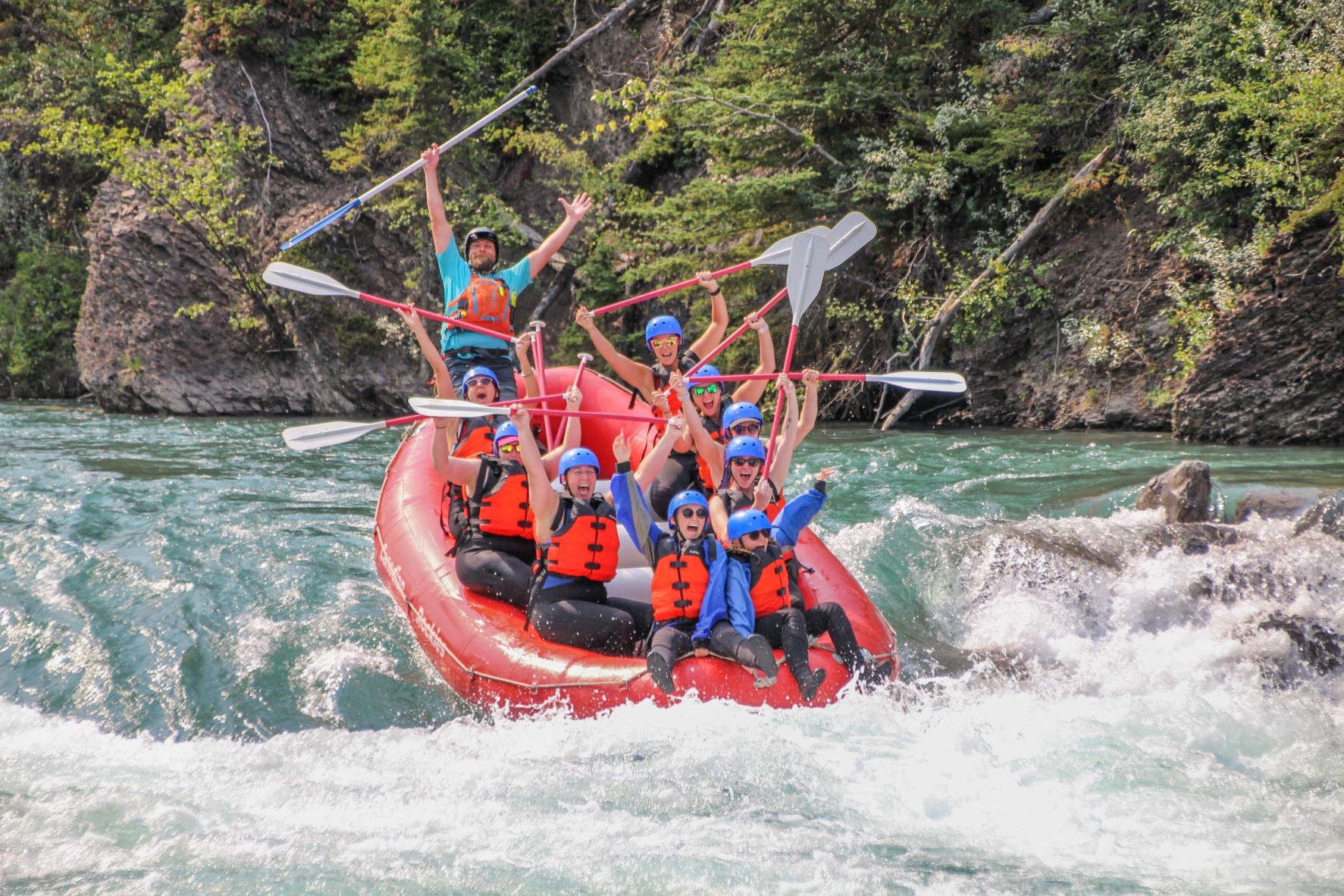
Navigate thrilling rapids on the Bow River with expert guides through stunning canyon scenery
3 hours
Free Cancellation
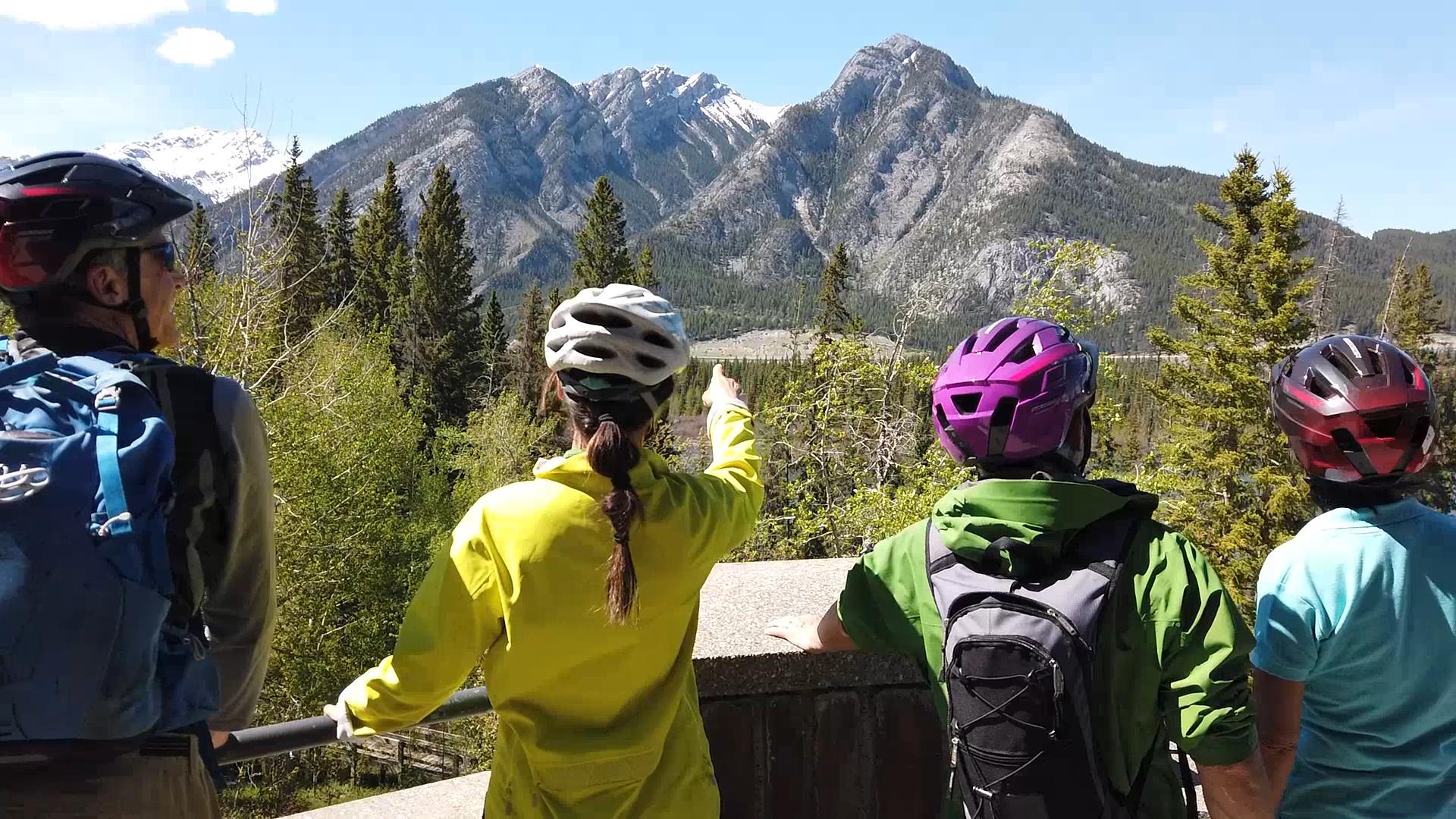
Pedal through Banff's river valleys and forest trails, then hike to a scenic canyon on this guided excursion
5.5 hours
Free Cancellation
Explore three iconic alpine lakes in the Rockies with stunning turquoise waters and mountain vistas
You meet your guide at the outfitter's riverside staging area, where you pull on a neoprene wetsuit, cinch a Coast Guard-approved life jacket, and receive a paddle-commands briefing—forward, back, high-side.
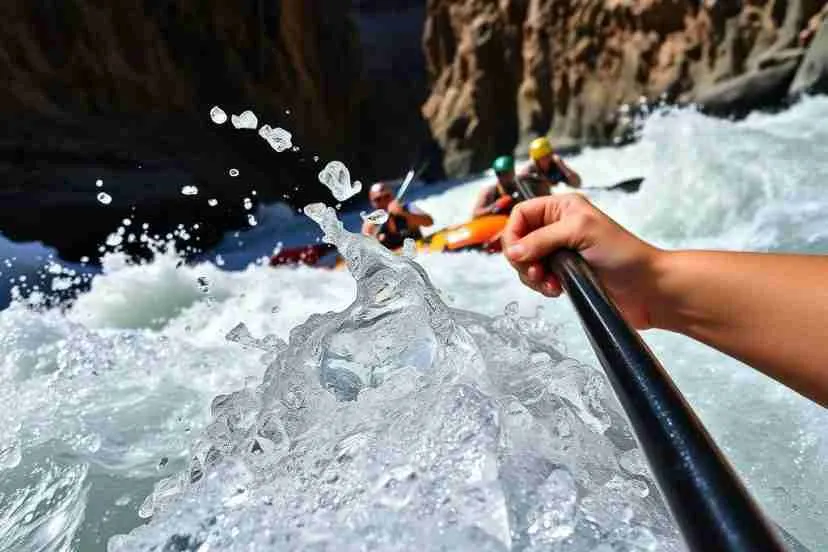
The raft launches from a calm eddy; you dig your blade into glacial meltwater that numbs your knuckles within three strokes.
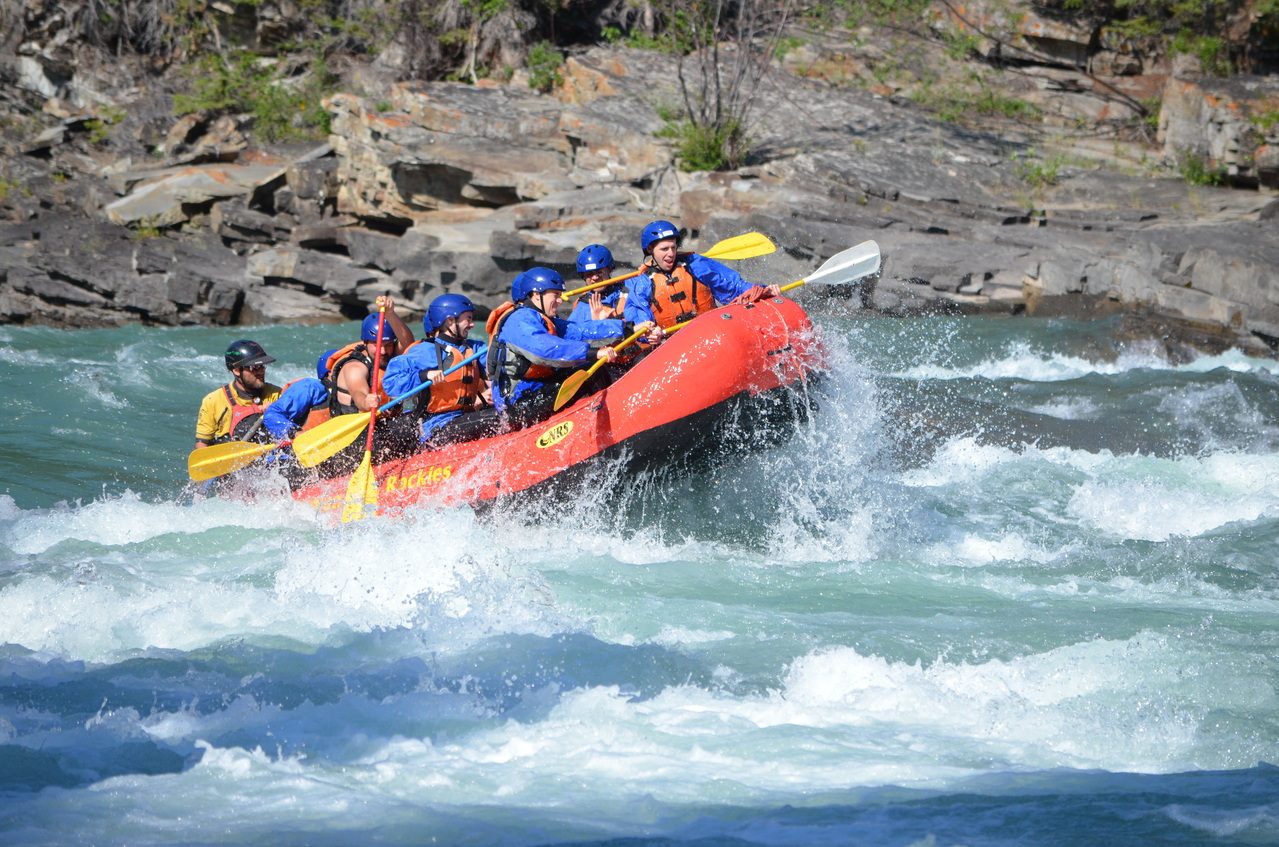
The first rapid appears as a horizon line: the guide calls "all forward hard," and the bow climbs a standing wave before dropping into a trough that sends whitewater over the gunwales. You brace your feet under the thwart, lean into the next stroke, and the raft punches through a second wave train, emerging in flat water where you catch your breath and wring out your paddle gloves.
Between rapids you drift past Castle Mountain's sheer north face, scanning the shoreline for elk tracks in the gravel and osprey nests in the tall snags. The guide points out a submerged boulder garden ahead; you shift left, feel the current accelerate, and execute a draw stroke that swings the stern clear. The final chute ends at a cobble beach, where you step out, drag the raft onto dry ground, and peel off your wetsuit as the shuttle van pulls up.
All the details about your upcoming adventure in one place
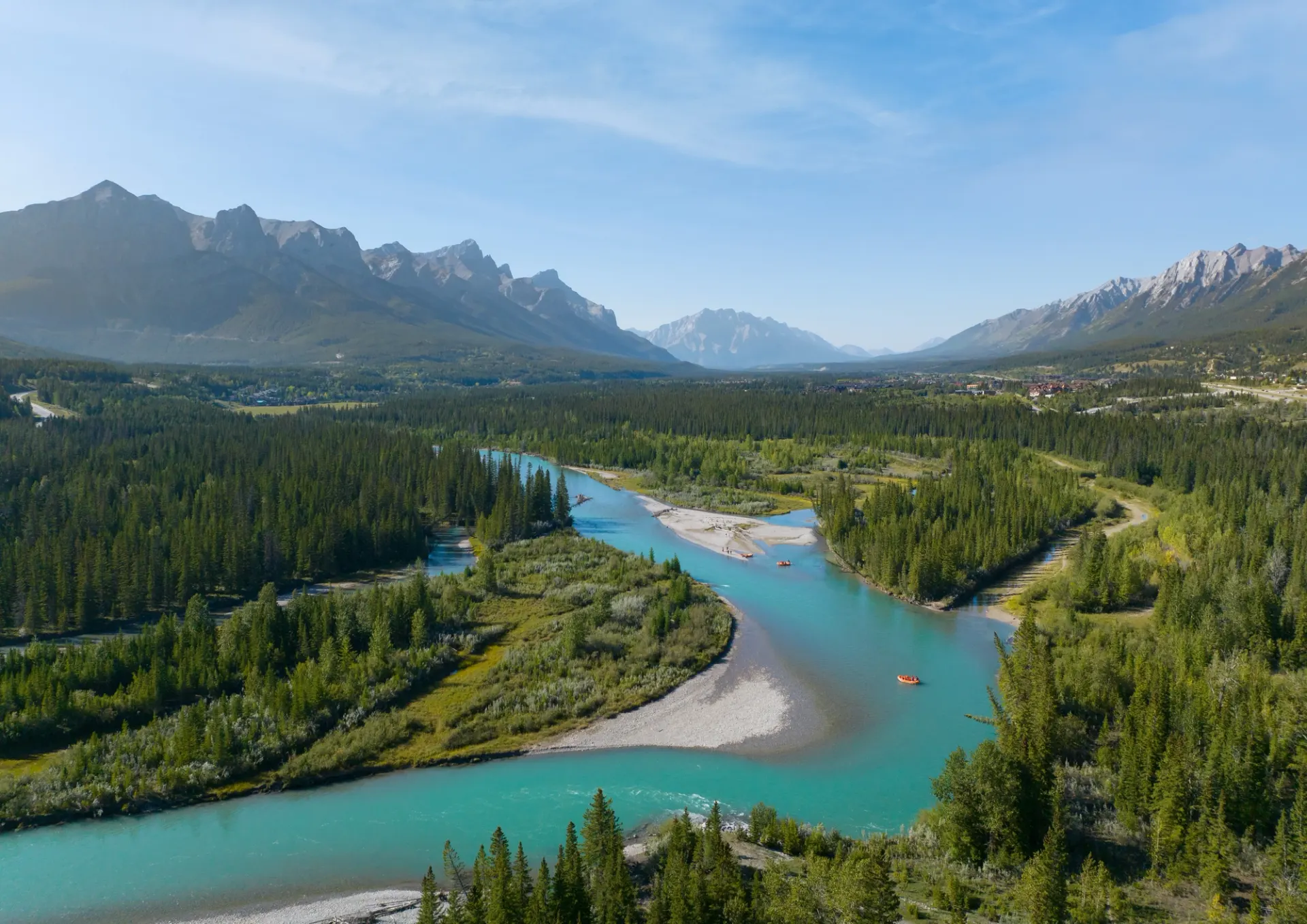
The Bow River drops 1,200 vertical metres from its source at Bow Glacier to the prairie edge east of Calgary, carving a glacial-blue corridor through limestone cliffs and lodgepole pine that has carried canoes, fur-trade boats, and commercial rafts for more than a century.
Named for the reeds along its banks that the Peigan and Stoney Nakoda peoples harvested for bow-making, the river was mapped by James Hector of the Palliser Expedition in 1858 and became a transportation artery during Banff's early resort years.
Today the Bow sustains two distinct experiences: the slow, braided reach between Banff townsite and Canoe Dock, where the current runs at two to three kilometres per hour and families drift beneath Castle Mountain's dolomite towers, and the Class II–III whitewater section below Lake Minnewanka, channeled through narrow chutes and boulder gardens that accelerate paddlers into standing waves and hydraulic reversals. Outfitters launch more than 15,000 guided trips each season, split evenly between scenic floats and adrenaline runs.
The river's character shifts with snowmelt: June brings peak volume and aggressive hydraulics; by late August the water calms and warms to 8–10°C, exposing gravel bars where ospreys and bald eagles fish for bull trout and mountain whitefish. Commercial operators work under Parks Canada permits that cap daily launch numbers and require certified swift-water rescue training. Most bow river rafting tours depart from staging areas near Canmore or the Kananaskis Valley, where the confluence with tributary streams creates technical rapids named Widowmaker, Mad Dog, and Roller Coaster.
Geology dictates the ride: the Bow cuts through Paleozoic carbonate formations that fracture into angular boulders, creating obstacle fields that shift each spring. Guides read water by pillar eddies and tongue lines, steering fourteen-foot rafts with oar frames or commanding paddle crews through wave trains. The season runs April through September, with morning departures favoured for glassy conditions and wildlife sightings—elk, bighorn sheep, and black bears forage the riparian corridor at dawn. Water temperature, protective wetsuits, and splash jackets remain mandatory through July.

The Bow cuts through Paleozoic carbonate formations that fracture into angular boulders, creating obstacle fields that shift each spring.
Wear moisture-wicking, non-cotton clothing to stay comfortable in changing mountain weather. Swimwear is recommended for under wetsuits if provided by your bow river rafting tour operator.
Keep valuables in waterproof containers or dry bags. Secure all personal items as bow river rafting tours involve splash zones and potential submersion.
Use waterproof cameras or secure your device with a neck strap. Many bow river rafting tickets do not cover lost equipment, so use mounts whenever possible.
Families find bow river rafting tours to be an ideal way to explore. Life jackets are provided in various sizes for children and infants as part of safety requirements.
The Bow River Trail offers accessible paved sections for viewing. Guests with mobility concerns should check specific vessel requirements before purchasing bow river rafting tickets.
No alcohol is permitted on the water. Bring a reusable water bottle to stay hydrated during your bow river rafting experience.
Opening hours
09:00–20:00
Address
Bow River, Banff, AB, Canada
Accessibility
Paved trails available at Muskrat Street access.
Arrival window
09:00–12:00
Storage
Limited storage; dry bags available for rent.
Park Pass
Banff National Park pass required.
All sales are final as per Banff National Park regulations. Please verify tour-specific policies if booking through a third-party operator.
Recommended time
2-3 hours
Most guests allocate 2-3 hours to complete their bow river rafting excursion, which includes time for safety briefings and gear preparation. Choosing bow river rafting tours earlier in the day often results in shorter wait times at the docks and quieter paddling conditions. If you book one of the guided bow river rafting tickets, plan for extra time to navigate through Banff National Park to your designated launch site. Many visitors find that a mid-day bow river rafting tour allows for a relaxed pace, though docks remain busiest during these hours.
Crowd levels through the day
The Bow River carved its course through the Canadian Rockies over ten thousand years ago, but commercial bow river rafting tours began only in the 1970s when outfitters recognized the river's dual character: thundering Class III rapids near Canmore and gentle family-friendly stretches through Banff townsite. The first permitted operators launched wooden dories and military surplus rafts, navigating snowmelt surges that could swell flows to 400 cubic meters per second by June. By 1978, Parks Canada formalized licensing requirements, limiting fleet sizes to protect nesting bald eagles and spawning bull trout along the braided channels. The 1988 Calgary Winter Olympics brought international attention to the Bow Valley corridor, and bow river rafting tickets became a staple of the emerging adventure tourism economy. Outfitters shifted from multi-day expeditions to half-day whitewater runs and two-hour scenic floats, adapting to visitors with tight itineraries. The Horseshoe Canyon section, twelve kilometers downstream from Banff, emerged as the premier rapid zone, where limestone walls funnel the current into waves reaching two meters. A 1995 flood reshaped the riverbed, creating new hydraulic features that guides still name and memorize. Regulation tightened after a 2005 incident when an unlicensed operator capsized below Bow Falls, prompting mandatory swift-water rescue certification and stricter vessel inspections. Modern operators now use self-bailing catarafts and employ Parks Canada-trained guides who monitor real-time hydrological data. The river remains roadless for much of its upper reach, preserving the wilderness character that draws fifty thousand paddlers annually. Glacial recession has altered summer flow patterns, shifting peak whitewater season earlier into May and June, a trend guides track closely as they plan daily departures from the Canmore put-in.
Glacial meltwater carves the Bow River channel through the Rocky Mountain front ranges.
First commercial outfitters begin guided raft trips on Class III rapids near Canmore.
Parks Canada institutes formal licensing and environmental limits for Bow River operators.
Winter Olympics in Calgary elevate Bow Valley tourism, expanding adventure rafting demand.
Spring flood reconfigures Horseshoe Canyon rapids, creating new whitewater features.
Capsizing incident prompts mandatory swift-water rescue training for all commercial guides.
Glacial retreat shifts peak flow timing, concentrating optimal rafting conditions in May and June.
Self-bailing catarafts and real-time hydrological monitoring become industry standard on the Bow.
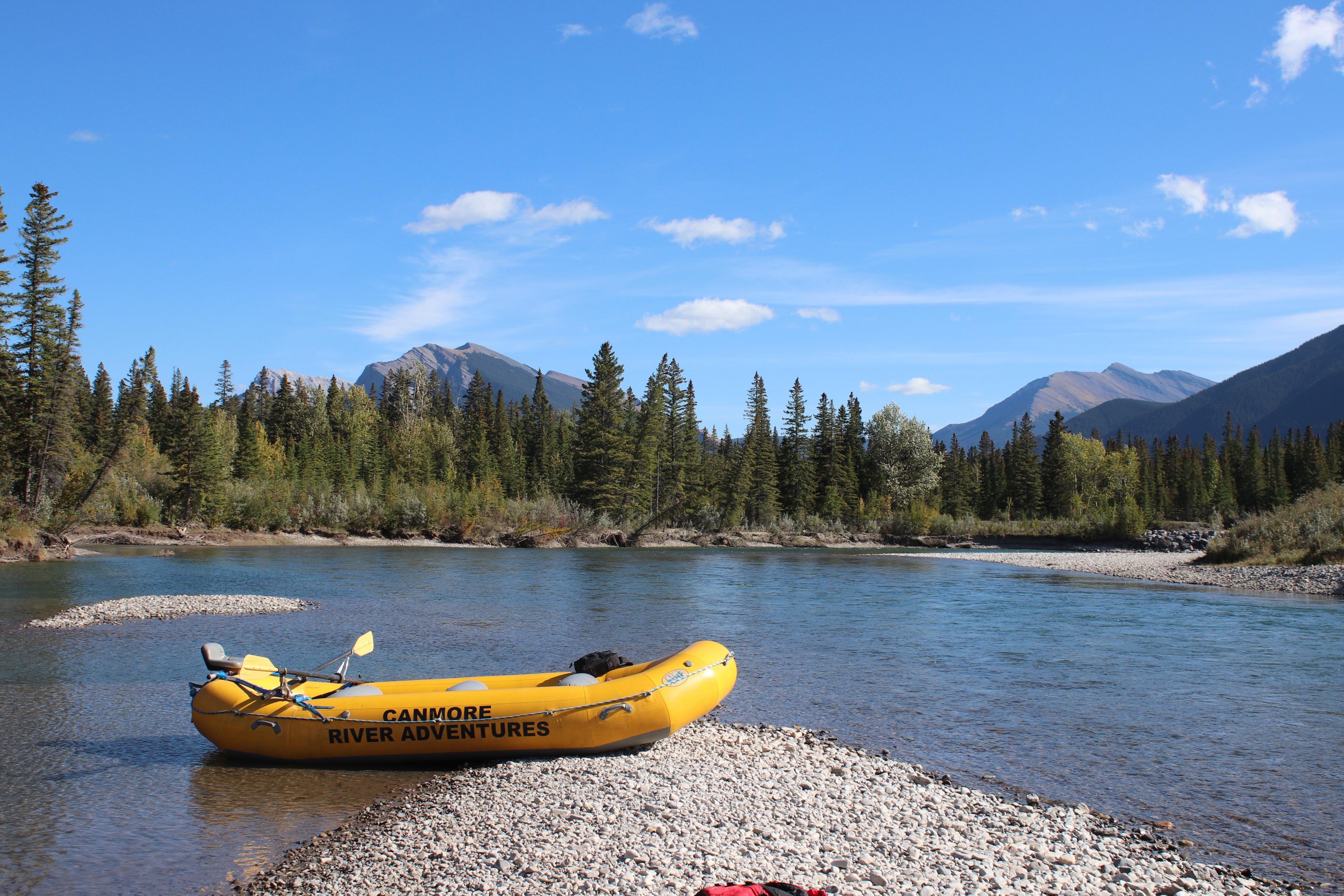
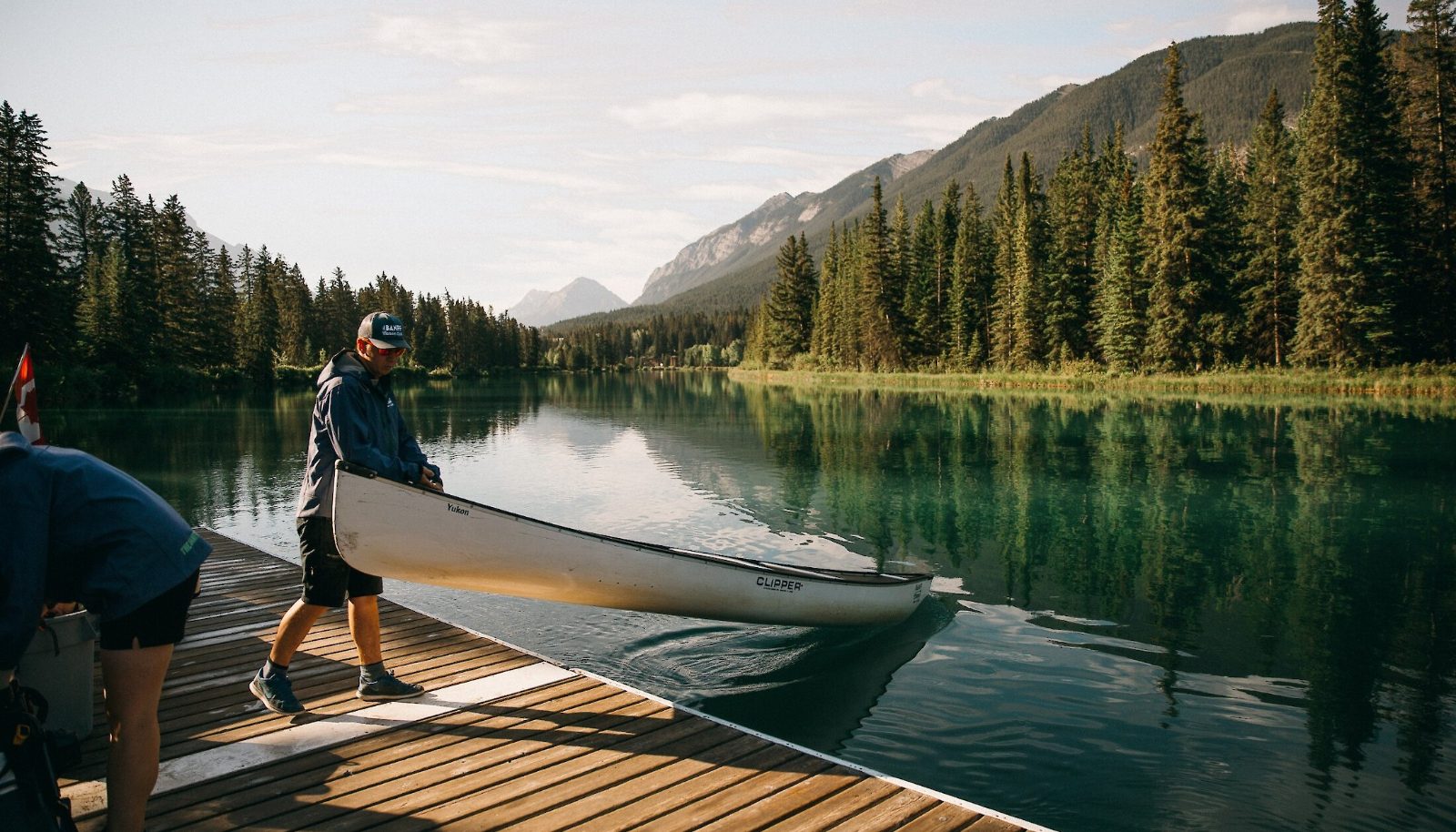
Stand on the wooden launch platform to capture the perspective of the boats against the mountain backdrop. This is where many bow river rafting tours begin their journey.
Engaging in bow river rafting is a fantastic way for families to experience the scenic beauty of the Canadian Rockies together. These gentle float excursions offer a peaceful, low-stress environment where children and adults can enjoy the glacial waters without navigating difficult currents.
Most river tours focus on relaxed, scenic float trips rather than high-intensity whitewater, making them ideal for younger children and seniors.
Many operators welcome children of all ages, though it is standard practice to confirm that infants meet specific weight requirements for professional-grade life jackets.
Select providers use large, stable rafts equipped with wooden floorboards to keep feet dry and comfortable throughout the duration of your bow river rafting tours.
Guides provide comprehensive safety briefings and properly fitted personal flotation devices for all passengers before departing on your bow river rafting tour.
Securing your bow river rafting tickets in advance is highly recommended, especially during the peak summer months, to ensure your preferred time slot is available.
Visitors planning a bow river rafting trip will find several convenient dining spots located just a short walk from the Banff launch area. While there are no food vendors directly on the riverbank, the town center offers varied options to fuel up before or after your bow river rafting tours.
Known for campfire-inspired cooking and house-made spirits, this is a popular spot to grab a hearty meal after your bow river rafting tour. The wood-fired rotisserie chicken is a highlight for groups.
This local bakery is ideal for picking up fresh artisanal sandwiches and pastries before securing your bow river rafting tickets. It provides a quick, high-quality bite for those on the move.
A casual choice featuring thin-crust pizzas and local craft beer that appeals to hungry paddlers. It serves as a relaxed setting to discuss your recent experience on the Bow River landmarks.
Everything you need to know for your journey
Yes, a Banff National Park park pass is required for all visitors, though entry to the river itself is 0 CAD.
The Banff Canoe Club operates from 09:00–20:00 daily.
Yes, bow river rafting tours are excellent for families, with many operators welcoming children.
Yes, provided it meets park safety regulations and you have the required self-certification for non-motorized watercraft.
Storage is limited, so arrive light; dry bags are often available for rent for your bow river rafting trip.
Operators typically monitor conditions closely; check with your specific bow river rafting provider for their weather policy.
The best arrival window is 09:00–12:00 to avoid afternoon crowds and enjoy calm water.
No, you do not need to be a swimmer, as life jackets are mandatory for all bow river rafting participants.
Pets are generally not permitted on guided bow river rafting tours; check with your specific operator.
Rentals are first-come, first-served, but it is best to book your bow river rafting tour in advance to ensure availability.
Join thousands of happy travelers who have discovered this incredible experience
Book Your Experience Now